Chapter 1: Embracing the Nomadic Lifestyle
The rise of remote work has transformed the professional landscape, allowing individuals to break free from the constraints of traditional office environments. With advancements in technology and the increasing availability of high-speed internet, workers can now operate from virtually anywhere in the world.
This shift has been particularly embraced by digital nomads, who thrive on the freedom to work while exploring new cultures and locations. As a result, the remote work movement has gained momentum, reshaping how we perceive work-life balance and productivity.
The Rise of Remote Work
In recent years, tools and software designed for remote work have proliferated, making collaboration seamless across vast distances. Platforms like Slack, Zoom, and Trello have become essential for maintaining communication and organization among teams.
These technologies not only enhance efficiency but also foster a sense of connection among remote workers who might otherwise feel isolated. As more companies adopt remote-first policies, the demand for innovative solutions in this space continues to grow.

Budgeting and finance also play a crucial role in the life of a digital nomad. With fluctuating incomes and diverse expenses, understanding how to manage finances while on the road is essential.
Remote workers must navigate various costs, from accommodation to travel, while ensuring they save for the future. By leveraging budgeting tools and financial apps, nomads can create sustainable financial plans that support their lifestyle without sacrificing their goals.
As the trend of remote work expands, so does the need for practical travel-friendly gadgets and gear. From portable Wi-Fi routers to lightweight laptops, the right tools can significantly enhance productivity on the go.
Additionally, co-working spaces have emerged as invaluable resources for remote workers seeking a community and professional environment. These spaces not only offer reliable internet connectivity but also provide opportunities for networking and collaboration with like-minded individuals.
Lastly, the rise of remote work has prompted a greater focus on health and wellness for those with mobile lifestyles. Maintaining physical and mental well-being while traveling is crucial for sustained productivity.
As digital nomads navigate their journeys, they are increasingly adopting practices that promote a balanced lifestyle, such as mindfulness and regular exercise. This holistic approach to work and travel ensures that remote workers can enjoy their freedom while remaining healthy and engaged.
Defining Your Nomadic Goals
Defining your nomadic goals is a crucial first step in embarking on a successful journey as a digital nomad. Understanding what you want to achieve can shape your experiences and guide your choices in remote work tools, destinations, and lifestyles.
Whether you seek adventure, financial freedom, or a balance of work and leisure, clarity in your objectives allows you to design a life that aligns with your aspirations.
Begin by reflecting on what motivates you to adopt a nomadic lifestyle. Are you looking to travel the world, connect with diverse cultures, or simply escape the traditional 9-to-5 grind?
Your motivations will influence the type of work you pursue and the environments in which you choose to work. Consider creating a vision board or writing down your goals to visualize your path ahead.
Next, establish specific, measurable, achievable, relevant, and time-bound (SMART) goals. This framework will help you break down your larger aspirations into actionable steps.
For instance, if your aim is to work from a different country every month, outline the countries you want to visit, the duration of your stay, and the types of co-working spaces you want to explore. Setting deadlines can keep you accountable and motivate you to stay on track.
Budgeting is another essential aspect of defining your nomadic goals. Understand your financial needs and how they align with your lifestyle. This includes not only your work income but also travel costs, accommodation, and daily expenses.
By creating a realistic budget, you can ensure that your adventures do not compromise your financial stability, allowing you to focus on your work and enjoy your experiences fully.
Finally, consider the impact of your nomadic lifestyle on your health and well-being. As you travel, prioritize your physical and mental health by incorporating wellness practices into your routine.
This might involve finding local fitness classes, maintaining a balanced diet, or connecting with other nomads for support. Ultimately, defining your nomadic goals is about creating a fulfilling, sustainable life that enriches both your work and personal experiences.
Finding Your Personal Work-Life Balance

Finding the right work-life balance as a digital nomad is essential for maintaining both productivity and personal satisfaction. The freedom to choose where and how you work can quickly become overwhelming without clear boundaries.
Setting a defined schedule that works for your lifestyle and goals is crucial. This might mean designating certain hours for work while allowing yourself the flexibility to explore your new surroundings. By prioritizing your time effectively, you can enjoy the best of both worlds: a fulfilling career and enriching travel experiences.

The key is to ensure that it is conducive to focus and productivity. Make sure to equip your workspace with the right travel-friendly gadgets that enhance your workflow, such as portable monitors or noise-canceling headphones. This setup will help you transition into work mode, regardless of your location.
Health and wellness play a significant role in achieving work-life balance. Incorporating regular exercise and mindfulness practices into your daily routine can greatly enhance your mental clarity and overall well-being.
Whether it’s through yoga, hiking, or simply taking a walk in a new city, staying active will not only boost your energy levels but also keep your mind sharp. Additionally, consider scheduling breaks throughout your workday to recharge and avoid burnout, allowing you to remain productive and engaged.
Community building is another essential aspect of maintaining balance as a digital nomad. Connecting with other remote workers, whether through online forums or local meetups, can provide support and camaraderie in your journey.
Sharing experiences and tips with fellow nomads helps foster a sense of belonging, reducing the isolation that can sometimes accompany remote work. Engaging with a community can also lead to new opportunities and collaborations, enriching both your personal and professional life.
Lastly, understanding legal and tax considerations is crucial for long-term sustainability as a digital nomad. Navigating the complexities of working remotely while traveling requires careful planning and awareness of various regulations across different countries.
Investing time in researching these aspects will save you potential headaches down the line and allow you to focus on what truly matters: creating a fulfilling lifestyle that honors both your work and personal aspirations.
Chapter 2: Essential Remote Work Tools
Communication Platforms

In the world of remote work, communication platforms serve as the backbone of connectivity, enabling digital nomads to collaborate seamlessly across the globe. With tools like Slack, Zoom, and Microsoft Teams, staying in touch with colleagues and clients has never been easier.
These platforms facilitate real-time messaging, video conferencing, and file sharing, ensuring that distance does not hinder productivity. The ability to communicate effectively is crucial for remote workers who rely on these tools to maintain professional relationships and manage projects efficiently.
As digital nomads traverse different time zones and locations, the flexibility offered by communication platforms becomes indispensable. Many of these tools are designed to be accessible on various devices, allowing users to connect whether they are in a bustling city or a tranquil natural setting.
Features such as mobile apps and cloud storage ensure that important conversations and documents are just a tap away, empowering remote workers to stay organized and responsive no matter where their journey takes them.
Community building is another vital aspect of the remote work experience, and communication platforms play a pivotal role in fostering connections among digital nomads. Forums, social media groups, and dedicated apps enable individuals to share experiences, seek advice, and even collaborate on projects.
This sense of community can be particularly beneficial for aspiring digital nomads and van lifers who may feel isolated during their travels. By engaging with like-minded individuals, remote workers can find support and inspiration as they navigate their unique lifestyles.
Moreover, the evolution of communication platforms continues to enhance the remote work experience, with innovations designed to cater to the needs of mobile professionals. Features like screen sharing, virtual backgrounds, and integrated project management tools are becoming standard, allowing for more dynamic interactions.
Additionally, as technology advances, the integration of artificial intelligence into these platforms offers exciting possibilities for automating tasks and improving workflow, making it easier for remote workers to focus on what matters most.
In conclusion, effective communication is vital for the success of digital nomads, and the right platforms can make all the difference. By embracing the tools available, remote workers can enhance their collaboration, build meaningful connections, and thrive in their mobile lifestyles.
As the world continues to adapt to the realities of remote work, leveraging these communication platforms will remain essential for anyone looking to succeed in this dynamic landscape of digital nomadism.
Project Management Software
Project management software has become a vital tool for digital nomads and remote workers, enabling them to stay organized and efficient while navigating diverse work environments.
These platforms facilitate collaboration, allowing team members to connect regardless of their physical location. With the right tools, managing projects from a beach in Bali or a co-working space in Lisbon becomes not only possible but seamless.
One of the key features of project management software is task management. Users can create, assign, and track tasks in real time, ensuring that deadlines are met and responsibilities are clear.
This is particularly important for remote teams, where communication can often be a challenge. By centralizing tasks in a single platform, team members can easily see what needs to be done and who is responsible for each task, reducing confusion and enhancing productivity.
Another significant advantage of project management software is its ability to integrate with other tools that digital nomads rely on. Whether it’s communication platforms like Slack, file storage solutions like Google Drive, or time tracking apps, seamless integration enhances the workflow.
This interconnectedness allows users to streamline their processes and minimize the time spent switching between different applications, which is a common pain point for those constantly on the move.
Additionally, project management software often includes features for budgeting and finance tracking, which are crucial for digital nomads managing multiple income streams and expenses.
By utilizing these tools, remote workers can keep a close eye on their finances, ensuring they stay within budget while enjoying their nomadic lifestyle. This not only fosters financial discipline but also allows for better planning and decision-making as they navigate both work and travel.
Lastly, the community aspect of many project management platforms cannot be overlooked. As digital nomads, building a network of like-minded individuals is essential.
Many software options offer forums or community features where users can share tips, ask questions, and collaborate on projects, fostering a sense of belonging while on the road. This aspect of project management software contributes to the overall wellness of remote workers, supporting both their professional and personal lives as they embrace a mobile lifestyle.
Time Management and Productivity Tools
In the fast-paced world of remote work, effective time management is crucial for digital nomads seeking to balance their professional and personal lives. With the freedom to work from anywhere, it’s easy to let distractions derail productivity.
Tools like time tracking apps can help establish a structured work schedule, ensuring that nomads remain focused and productive, even in the most picturesque locations. By setting clear boundaries around work hours, digital nomads can enjoy their surroundings while still meeting their professional commitments.

Productivity tools come in various forms, from project management software to collaborative platforms that facilitate communication among remote teams. Apps like Trello and Asana allow digital nomads to organize their tasks visually, making it easier to prioritize and delegate work.
These tools not only enhance individual productivity but also foster teamwork, allowing remote workers to stay connected with colleagues and clients regardless of their physical location. The right software can transform a scattered workflow into a seamless process that keeps the projects moving forward.
Another essential aspect of time management for digital nomads is automation. Utilizing tools such as Zapier or IFTTT can save valuable time by automating repetitive tasks.
For example, automating social media posts or email responses allows remote workers to focus on more critical activities that require human input. By leveraging automation, digital nomads can streamline their workflows, making their daily routines more efficient and less stressful.
Moreover, creating a productive workspace is vital for maintaining focus and motivation. Whether it’s a cozy corner in a café, a co-working space, or a mobile office in an RV, having a designated area for work helps to mentally separate work from leisure.
Incorporating travel-friendly gadgets like portable monitors, noise-canceling headphones, and ergonomic accessories can significantly enhance the work environment. These tools not only boost productivity but also ensure that digital nomads maintain their health and well-being while on the go.
Ultimately, mastering time management and utilizing productivity tools is key for success in the nomadic lifestyle. As remote workers continue to explore the world, embracing these strategies will empower them to achieve their personal and professional goals simultaneously.
With the right combination of tools and techniques, digital nomads can turn their travels into a fulfilling journey that balances work, adventure, and personal growth.
Cloud Storage Solutions
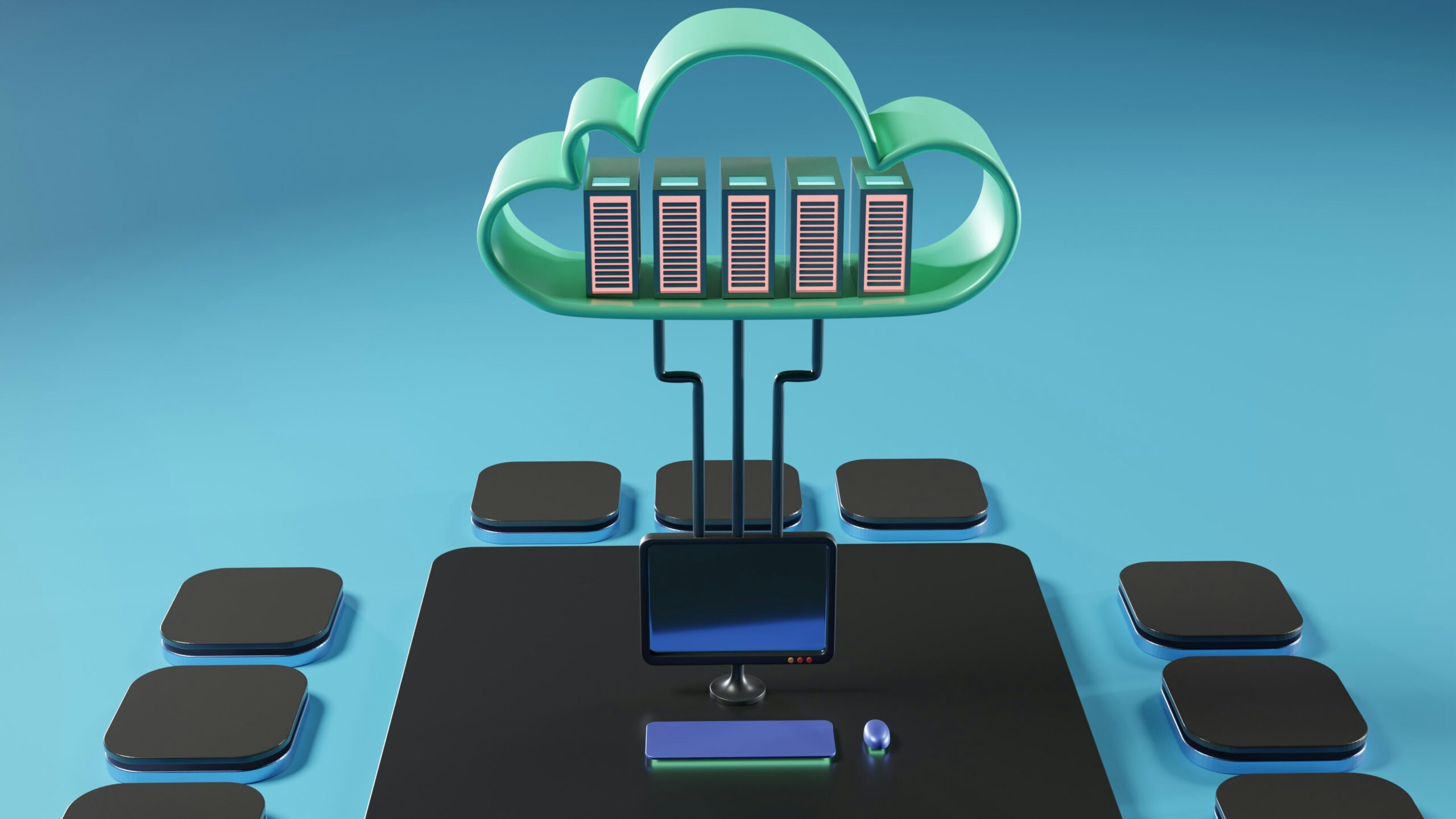
In today’s digital landscape, cloud storage solutions have become essential for full-time digital nomads and remote workers. These platforms provide a seamless way to store, access, and share files from anywhere in the world.
With the ability to synchronize data across multiple devices, cloud storage eliminates the need for external hard drives and USB sticks, making it easier for travelers to keep their work organized and secure. Whether you are a creator, influencer, or business traveler, finding the right cloud storage solution can enhance your productivity and give you peace of mind.
Among the most popular cloud storage services are Google Drive, Dropbox, and OneDrive. Each offers unique features tailored to different needs, such as collaboration tools, file recovery options, and storage capacity.
For those who frequently work with large files or require extensive collaboration, choosing a service that allows for easy sharing and editing can streamline workflows and foster creativity. Understanding the nuances of these platforms will empower you to select the best one for your specific requirements.
Security is another significant consideration for digital nomads when selecting a cloud storage solution. With the prevalence of cyber threats, it is vital to choose a service that prioritizes data protection. Look for features like end-to-end encryption, two-factor authentication, and regular security audits.
By investing in a reliable cloud storage option, you are taking proactive steps to safeguard your sensitive information, which is especially important when working from co-working spaces or public Wi-Fi networks.
When managing your digital life, integrating cloud storage with other remote work tools can create a cohesive system that enhances efficiency. Many cloud storage services offer integrations with project management applications, communication tools, and even budgeting software.
This interconnectedness allows you to streamline tasks and maintain focus on what truly matters—your work and travel experience. As a digital nomad, the ability to easily access and manage your resources can transform how you operate on the road.
In conclusion, cloud storage solutions are indispensable for anyone living a mobile lifestyle. By understanding the options available and prioritizing security, you can choose a service that fits your needs and supports your goals.
Whether you are on a beach in Bali or in a bustling city, having access to your files at your fingertips ensures that you can work efficiently and effectively, allowing you to enjoy the freedom that comes with being a digital nomad.
Chapter 3: Digital Nomad Budgeting and Finance
Creating a Remote Work Budget
Creating a remote work budget is essential for digital nomads who want to maintain financial stability while exploring the world. The first step in crafting this budget is to identify all of your income sources.
As a remote worker, you may have multiple streams of income, whether from freelance gigs, a full-time job, or passive income sources. Understanding your total monthly income allows you to project how much you can spend on your travels and living expenses without going into debt.
Next, outline your fixed and variable expenses. Fixed expenses include things like software subscriptions, insurance, and any ongoing commitments that remain constant regardless of your location.
Variable expenses can fluctuate, including accommodation, food, and entertainment. By categorizing your expenses, you can ensure that you allocate enough funds for essentials while also leaving room for leisure activities that enrich your travels.
Another important aspect of a remote work budget is planning for unexpected costs. Traveling can often bring surprises, such as sudden changes in accommodation prices or unplanned activities.
It’s wise to set aside a contingency fund specifically for these unforeseen expenses. This way, you can enjoy your adventures without the constant worry of overspending or running out of money unexpectedly.
Don’t forget to factor in costs that may be unique to your lifestyle as a digital nomad. This could include co-working space memberships in cities you plan to visit or internet connectivity solutions to ensure you stay connected no matter where you are.
Additionally, consider the potential costs of attending local events or workshops that can enhance your skills and expand your network.
Finally, regularly review and adjust your budget as necessary. Your expenses and income can change frequently based on your travel plans and professional commitments.
By keeping an eye on your finances and being flexible with your budget, you can maintain a sustainable lifestyle as a digital nomad. This proactive approach not only helps you stay financially secure but also allows you to focus on enjoying your travels and experiences without financial stress.
Managing Currency Exchange and Banking
Managing currency exchange and banking is crucial for digital nomads navigating the complexities of international finance.
As you travel from one country to another, understanding the best ways to handle your money can save you from unnecessary fees and ensure that your funds are accessible when you need them. Various banking options and currency exchange methods exist, and selecting the right ones can enhance your travel experience significantly.
One effective strategy is to utilize online banking services that offer low international transaction fees. Many digital banks provide features tailored for travelers, such as fee-free ATM withdrawals and competitive exchange rates.
These banks often allow you to hold multiple currencies in one account, making it easier to manage your finances without constantly converting funds. Researching and choosing the right online bank that aligns with your travel habits is essential for seamless financial management.
Another critical aspect to consider is the use of local currency when possible. While commonly accepted currencies like the US dollar or Euro can be convenient, using local money often results in better exchange rates and lower transaction fees.
Familiarizing yourself with the local currency and withdrawal limits will help ensure that you are not caught off guard while traveling. Moreover, small businesses and local markets usually prefer cash, so having local currency on hand can enhance your shopping experience.
Digital nomads should also explore reliable payment platforms that facilitate international transactions. Services like PayPal, Wise, or Revolut enable you to send and receive money globally with ease.
These platforms often provide competitive exchange rates and low fees compared to traditional banks. Additionally, they offer the convenience of managing your funds through mobile apps, allowing you to stay on top of your finances regardless of where you are in the world.
Lastly, staying informed about the legal and tax implications of managing your money while traveling is essential. Each country has its own regulations regarding banking and currency exchange, and being aware of these can save you from potential legal troubles.
Consulting with a financial advisor who understands the international landscape can provide valuable insights and ensure that your financial practices align with legal requirements, keeping your focus on your adventures ahead.
Expense Tracking and Financial Apps
In the fast-paced world of remote work, effective expense tracking is crucial for digital nomads and remote workers. With varying currencies, fluctuating costs, and the challenge of staying organized while on the move, having the right financial apps can make all the difference.
These tools not only help manage budgets but also provide insights into spending habits, allowing users to make informed financial decisions while they travel and work.
One popular category of financial apps for nomads includes budgeting tools that allow users to set financial goals and track their expenses in real-time. Apps like Mint and YNAB (You Need A Budget) enable users to categorize their spending, track bills, and even set reminders for due dates.
The ability to visualize your financial situation can be empowering, especially when navigating the sometimes unpredictable costs associated with being a digital nomad.
Additionally, expense tracking apps specifically designed for travelers can streamline the process of managing receipts and invoices.
Tools like Expensify and Shoeboxed allow users to capture expenses on the go, making it easy to log spending without the hassle of keeping physical receipts. This is especially useful for business travelers and freelancers who need to maintain accurate records for tax purposes or reimbursement.
Security is another critical aspect to consider when choosing financial apps. With the rise of cyber threats, nomads must ensure that their financial data is protected.
Many apps offer advanced security features, such as two-factor authentication and encryption, to safeguard sensitive information. Knowing that your finances are secure allows you to focus on your work and adventures without worrying about potential breaches or fraud.
Finally, integrating financial apps with other tools can enhance productivity for digital nomads. Many budgeting and expense tracking apps can sync with bank accounts, credit cards, and even accounting software like QuickBooks.
This seamless connection not only saves time but also provides a comprehensive view of one’s financial health, allowing remote workers to thrive in their careers while enjoying the freedom of a nomadic lifestyle.
Saving and Investing for Nomads
For digital nomads, the idea of saving and investing can seem daunting, especially when living a lifestyle that prioritizes travel and flexibility. However, establishing a solid financial foundation is crucial to sustaining this adventurous way of life.
By creating a budget that reflects both travel expenses and savings goals, nomads can enjoy their journeys without the stress of financial instability. Tools like budgeting apps can help keep track of income and expenses, making it easier to allocate funds for both immediate needs and long-term investments.
Investing as a digital nomad might require a different approach compared to traditional investors. With the right research and planning, nomads can leverage online investment platforms that offer flexibility and accessibility.
Consider diversifying investments in stocks, bonds, or even real estate through crowdfunding platforms, which allow for smaller investment amounts. This way, nomads can build wealth while continuing to explore the world, ensuring that their finances grow alongside their experiences.
Travel-friendly finance tools are essential for managing money on the go. Digital wallets, international bank accounts, and cryptocurrency can simplify transactions and reduce fees. Many nomads find that using local currency during their travels minimizes conversion costs and helps establish better connections with local communities.
Additionally, having a reliable internet connection is vital for accessing financial services and managing investments from anywhere, ensuring that nomads stay connected to their finances, no matter where they are.
Health and wellness should also be a priority for nomads when considering their financial planning. Investing in quality health insurance that covers international travel can save significant costs in case of emergencies.
Moreover, budgeting for wellness activities, such as gym memberships or local classes, can enhance both physical and mental health, contributing to a more fulfilling nomadic lifestyle. By taking care of their health, nomads can maintain the energy and focus needed to succeed in their work and travel endeavors.
Finally, community building among fellow nomads can provide invaluable support and shared knowledge regarding finance and investment strategies. Joining online forums, attending meetups, or participating in co-working spaces can foster relationships that offer insights and tips on managing finances while living a mobile lifestyle.
This sense of community not only enhances personal connections but can also lead to collaborative opportunities that benefit everyone’s financial goals. By sharing experiences and resources, nomads can create a sustainable financial future together, ensuring that their journeys continue for years to come.

Chapter 4: Travel-Friendly Gadgets and Gear
Must-Have Tech for Digital Nomads
In today’s fast-paced world, the life of a digital nomad requires not only a sense of adventure but also the right tech tools to ensure productivity and connectivity. Essential gadgets like lightweight laptops, portable chargers, and noise-canceling headphones can significantly enhance the remote working experience.
These tools enable you to work efficiently from coffee shops in Bali or co-working spaces in Barcelona, making it easier to stay focused and engaged in your projects, no matter where you are in the world.
Internet connectivity is a top priority for digital nomads, and investing in reliable mobile hotspots and VPN services can make all the difference.
Mobile hotspots provide secure and fast internet access, allowing you to work seamlessly without relying solely on public Wi-Fi, which can be unreliable and insecure. Additionally, a good VPN ensures your data remains safe while working from various locations, giving you peace of mind as you navigate through different networks.
For those who value community, co-working spaces are an excellent investment. They not only provide a professional environment but also foster networking opportunities with like-minded individuals.
Many co-working spaces around the world offer flexible membership options, making it easy to find a place that fits your travel itinerary. Joining a community of fellow digital nomads can lead to collaborations, friendships, and support systems that enhance your remote work journey.
Health and wellness tools are equally important for maintaining balance while living a mobile lifestyle. Fitness trackers, meditation apps, and portable yoga mats can help you prioritize your physical and mental well-being, even on the road.
By incorporating these wellness gadgets into your daily routine, you can ensure that you remain energized and focused, which is essential for sustaining productivity as a digital nomad.
Finally, understanding the legal and financial aspects of being a digital nomad is crucial. Utilizing budgeting apps and financial management software can help you keep track of your expenses and income while traveling.
Staying informed about tax obligations and local regulations regarding remote work can save you from potential legal issues. With the right tech tools and knowledge, you can navigate the complexities of life as a digital nomad with confidence and ease.

Laptops and Accessories for Mobility
In the ever-evolving world of remote work, laptops and accessories play a crucial role in enabling mobility and productivity. For full-time digital nomads and business travelers, selecting the right laptop is essential.
Considerations such as weight, battery life, and processing power are paramount. A lightweight laptop with a robust battery can make a significant difference when working from a co-working space in Casablanca or a café in Lisbon.
Additionally, powerful processing capabilities ensure that tasks can be completed efficiently, whether it’s video editing or software development.
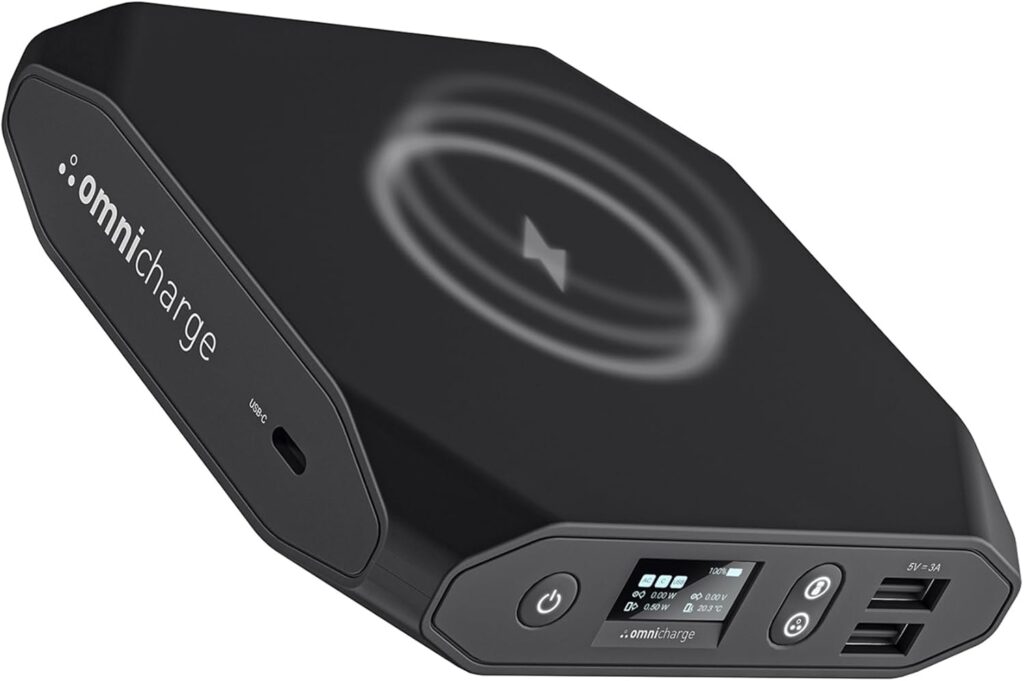
Accessories enhance the laptop experience and contribute to a seamless workflow on the go. A high-quality portable charger is indispensable for nomads who may find themselves in locations without easy access to power outlets.
Similarly, a compact and versatile laptop stand can improve ergonomics and comfort, promoting better health while working long hours. Noise-canceling headphones are another must-have, allowing for focus amidst the distractions of bustling environments.
Internet connectivity remains a top concern for digital nomads. Investing in a portable Wi-Fi hotspot can provide reliable internet access in remote areas, ensuring that work can continue uninterrupted.
Furthermore, understanding local SIM card options and utilizing VPN services will help protect your data while traveling. With a solid internet connection, you can maintain communication with clients and colleagues, no matter where your travels take you.
For those who prioritize health and wellness, choosing the right gear can help sustain a mobile lifestyle. A good quality backpack specifically designed for tech gear not only protects your devices but also promotes organization.
Additionally, ergonomic accessories such as wrist supports and portable footrests can enhance comfort during long working sessions. This focus on health is vital, as remote work can lead to physical strain if not properly managed.
Finally, community building plays a significant role in the lives of digital nomads. Engaging with local co-working spaces and attending meetups can foster connections with like-minded individuals.
Sharing tips on the best local tools and resources enriches the nomadic experience, creating a network of support. As you travel, remember that the right combination of laptops and accessories can empower your journey, helping you stay productive and inspired in every new location.
Find most of these products in our shop->

Portable Power Solutions
In the world of remote work, having a reliable power source is crucial for staying productive and connected. Portable power solutions have become essential for digital nomads who travel frequently, ensuring that they can charge their devices wherever they go.
From solar-powered chargers to compact power banks, these tools allow remote workers to maintain their workflow, even in the most remote locations. Investing in the right portable power equipment can make the difference between a successful workday and a frustrating experience with dead batteries.
Solar chargers are among the most popular options for nomads. They harness the sun’s energy to provide a sustainable power source, allowing users to charge their devices while on the go. Many models are lightweight and foldable, making them easy to carry in a backpack.
This eco-friendly solution not only supports a mobile lifestyle but also aligns with sustainable travel practices that many digital nomads prioritize. By choosing solar chargers, remote workers can reduce their carbon footprint while ensuring they have the energy needed to stay productive.
Power banks are another invaluable tool for digital nomads. These compact devices store electricity that can be used to charge smartphones, laptops, and other gadgets multiple times without needing a wall outlet.
The latest models come with fast-charging technology and can support multiple devices at once, making them perfect for business travelers or those who need to keep several gadgets operational.
With a reliable power bank on hand, remote workers can work from cafes, parks, or even while on a train, ensuring they are never limited by their device’s battery life.
In addition to individual solutions, co-working spaces around the world often provide integrated power solutions that cater to the needs of remote workers. These spaces typically offer high-speed internet and charging stations, making them ideal for productivity.
By working in a co-working environment, nomads can connect with like-minded individuals while enjoying access to essential power resources. This communal aspect enhances not only work efficiency but also community building among digital nomads.
Ultimately, the right portable power solutions empower remote workers to embrace their mobile lifestyles fully. By equipping themselves with solar chargers, power banks, and utilizing co-working spaces, digital nomads can overcome the challenges of staying productive on the road.
As technology continues to evolve, these tools will only become more efficient and essential, paving the way for a future where working remotely is as seamless as it is rewarding.
Travel-Friendly Workstations
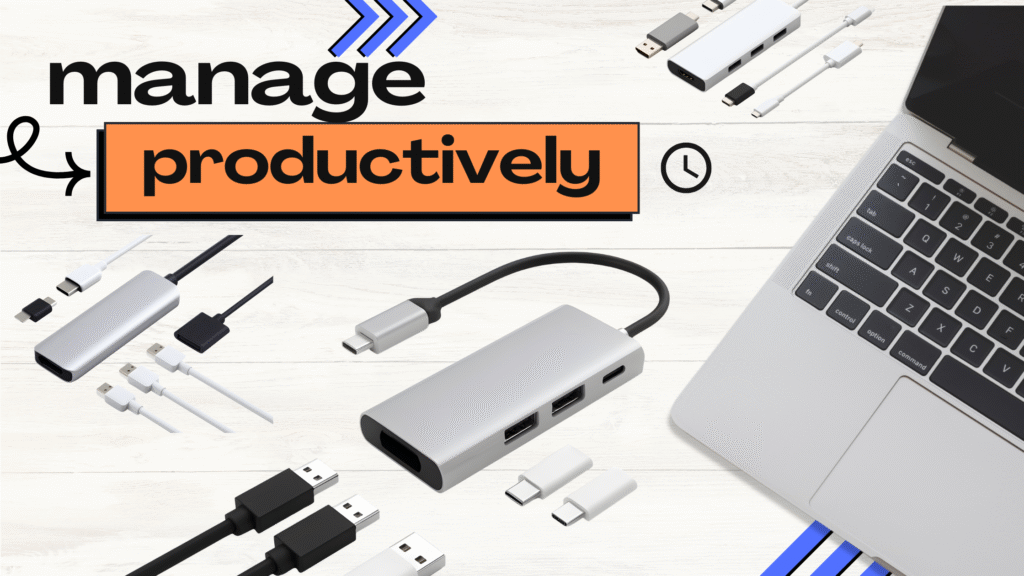
In the ever-evolving world of remote work, having a travel-friendly workstation is essential for digital nomads. These workstations not only need to be portable but also functional, allowing individuals to work efficiently from various locations.
The perfect setup often includes lightweight laptops, portable monitors, and versatile accessories that fit easily into a backpack or suitcase, ensuring that you can work from a beach in Bali or a café in Paris without missing a beat.
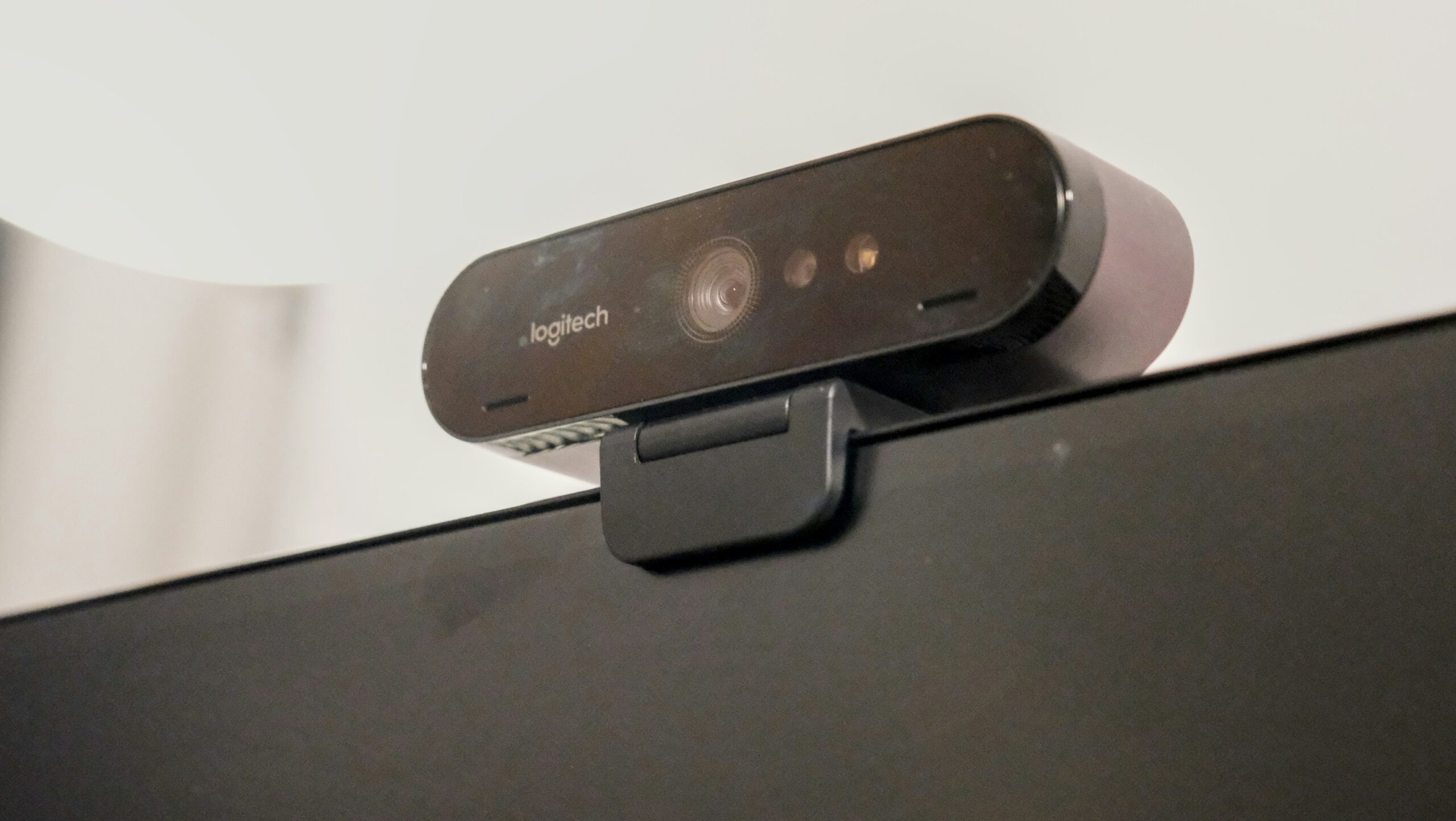
Moreover, the choice of internet connectivity solutions is critical for maintaining productivity on the go. Many travelers opt for portable Wi-Fi hotspots or local SIM cards to ensure a stable internet connection.
Assessing the availability of reliable internet in your destination is vital, as it can significantly impact your work efficiency. Many co-working spaces worldwide offer excellent facilities, providing both a work environment and opportunities for networking with like-minded individuals.
In addition to tech tools, the importance of ergonomic considerations cannot be overstated. Spending hours hunched over a laptop can lead to discomfort and health issues over time. Incorporating portable ergonomic accessories like laptop stands, external keyboards, and comfortable seating solutions can help mitigate these risks, allowing you to work longer and healthier.

Budgeting for a travel-friendly workstation also plays a crucial role in the digital nomad lifestyle. Investing in quality gear that lasts while remaining within your budget is key.
Understanding how to balance expenses between technology, travel, and daily living will empower you to make informed decisions that enhance your remote work experience.
Lastly, building a community while on the move can significantly enrich your nomadic journey. Engaging with other digital nomads, attending workshops, and participating in local meetups can provide not only professional support but also personal connections.
This sense of community can inspire and motivate you, making your remote work experience more fulfilling and less isolating as you travel the world.

Chapter 5: Internet Connectivity Solutions for Nomads
Choosing the Right Mobile Internet Plan
Choosing the right mobile internet plan is crucial for digital nomads who rely on connectivity to work remotely and maintain their lifestyle. With various options available, including prepaid, postpaid, and international plans, understanding your needs is the first step.
Assess your typical data usage, the countries you plan to visit, and the type of work you do. This will help narrow down the options that suit your unique requirements.
When considering mobile internet plans, coverage is a key factor. Research the providers that offer the best service in the regions you frequent.
Some companies may have extensive coverage in urban areas but lack service in remote locations, which can be detrimental for nomads seeking adventure. Utilizing tools and apps that provide coverage maps can assist in making informed decisions about which provider to choose.
Another essential aspect to consider is the speed and reliability of the internet connection. Slow or unstable connections can hinder productivity, making it vital to prioritize plans that offer high-speed data.
Look for reviews or ask fellow nomads about their experiences with different carriers. A plan that includes unlimited data may seem appealing, but if the speed throttles after a certain limit, it might not meet your needs.
Additionally, pricing plays a significant role in selecting a mobile internet plan. As a nomad, budgeting is key, and finding a plan that provides good value for money is essential.
Compare the costs of different plans while taking into account factors like roaming fees, activation costs, and any hidden charges. Some plans may appear cheaper upfront but could lead to higher expenses in the long run.
Lastly, consider the flexibility of the plan. As a digital nomad, your circumstances may change frequently, requiring you to adapt your internet solution.
Look for providers that offer month-to-month options, easy plan upgrades, or the ability to pause your service when you’re not traveling. This flexibility can save you money and ensure you always have the right plan to meet your evolving needs.
Wi-Fi Security and VPNs
In the realm of remote work, ensuring a secure internet connection is paramount. Digital nomads often find themselves in various locations, from co-working spaces to cafés, where Wi-Fi networks may be unprotected or poorly secured.
This vulnerability can expose sensitive information to cyber threats, making it essential for remote workers to prioritize Wi-Fi security. Utilizing a Virtual Private Network (VPN) is one of the most effective ways to safeguard your online activities, providing an encrypted tunnel for your data and masking your IP address from potential attackers.
VPNs not only enhance security but also offer greater privacy while browsing. For digital nomads who connect to public Wi-Fi networks frequently, using a VPN can prevent hackers from intercepting personal details such as passwords and bank information.
Many VPN services are easy to set up and can be used across multiple devices, ensuring that all your gadgets remain protected. This added layer of security allows you to focus on your work without the constant worry of cyber threats looming over you.
Moreover, VPNs can enable access to geo-restricted content, which is a significant advantage for those traveling abroad. By connecting to a server in your home country, you can bypass regional restrictions on websites and streaming services.
This is particularly useful for remote workers who may need access to specific tools or platforms that are otherwise unavailable in their current location. As a result, a VPN not only secures your connection but also enhances your overall digital experience while traveling.
It’s also important to choose a reliable VPN provider that prioritizes speed and user privacy. Look for features such as a no-logs policy, strong encryption protocols, and good customer support. Some VPNs are specifically tailored for travelers, providing servers in multiple countries for optimal connectivity.
By investing in a quality VPN service, you are not only protecting your sensitive information but also ensuring that your online work remains uninterrupted, no matter where you are in the world.
In conclusion, Wi-Fi security and the use of VPNs are indispensable for full-time digital nomads and remote workers. As you navigate through different locations and access various networks, keeping your data safe should always be a top priority.
With the right tools in place, you can enjoy your journey while maintaining peace of mind regarding your online security. Remember, a secure connection allows you to embrace the nomadic lifestyle fully, focusing on your work and adventures without the fear of compromising your digital safety.
Finding Reliable Wi-Fi Spots
Finding reliable Wi-Fi spots is essential for any digital nomad navigating the world while working remotely. Whether you’re a full-time remote worker, an aspiring digital nomad, or a business traveler, access to a stable internet connection can make or break your productivity.
The good news is that with a little research and resourcefulness, you can discover a variety of locations that cater to your connectivity needs. From bustling cafes to co-working spaces, the options are plentiful if you know where to look.
One effective strategy for locating dependable Wi-Fi is to utilize apps and websites designed for digital nomads. Platforms like Workfrom and Nomad List offer curated lists of cafes, co-working spaces, and other venues with reliable internet.
These resources often provide user ratings for Wi-Fi speed, ambiance, and overall suitability for work, helping you make informed decisions on where to set up your temporary office.
In addition to using technology, connecting with local communities of digital nomads can be incredibly beneficial. Engaging with online forums or social media groups allows you to tap into the experiences of others who have traveled to the same destinations.
Members often share their favorite Wi-Fi spots, tips for avoiding connectivity headaches, and even recommendations for local SIM cards or portable Wi-Fi devices.
When scouting for Wi-Fi, don’t overlook the power of local libraries and community centers. These often-underappreciated resources can provide a quiet environment with free internet access.
Additionally, many libraries offer comfortable seating and power outlets, making them ideal for long work sessions. Exploring these options can lead to unexpected discoveries and a more immersive experience in your current location.
Lastly, always have a backup plan. Carrying a portable Wi-Fi hotspot can be a lifesaver in situations where public Wi-Fi is unreliable or unavailable. This small investment can provide peace of mind, ensuring that you can work from virtually anywhere, whether you’re parked in a scenic spot in your RV or enjoying a beach sunset. By being proactive and resourceful, you can maintain your productivity while embracing the nomadic lifestyle.
Leveraging Technology for Connectivity
In today’s fast-paced world, connectivity is the lifeline for digital nomads and remote workers. With the right technology, staying connected while traversing the globe becomes not only possible but seamless.
From reliable internet solutions to advanced communication tools, leveraging technology for connectivity allows you to maintain your productivity, no matter where you are. This flexibility is essential for aspiring digital nomads and seasoned travelers alike, ensuring you can work effectively while enjoying the freedom of the open road.

Internet connectivity solutions have evolved dramatically, offering nomads a plethora of options to choose from. Whether you prefer mobile hotspots, portable routers, or local SIM cards, understanding the best solutions for different regions can make all the difference.
For van lifers and RV travelers, having a reliable internet connection is crucial, as it enables you to manage your work, connect with clients, and even access online learning resources. As you embark on your journey, research the best tools and services that cater to your specific needs and travel destinations.

In addition to internet solutions, the right software tools can enhance your remote work experience. Collaboration platforms like Slack, Zoom, and Asana not only help you communicate effectively with your team but also keep your projects organized.
These tools are designed with remote workers in mind, making it easy to share files, schedule meetings, and track progress, no matter where you are in the world. Incorporating these technologies into your routine will help you maintain a professional presence while navigating diverse environments.
Co-working spaces have also emerged as a vital resource for digital nomads seeking community and collaboration. These spaces provide not just a desk and Wi-Fi, but also networking opportunities and a sense of belonging.
Whether you’re in a bustling city or a quieter locale, finding a co-working space that fits your vibe can significantly enhance your productivity. Many of these spaces offer amenities like meeting rooms, coffee shops, and even recreational areas, allowing you to balance work and leisure effectively.
Finally, as you embrace a mobile lifestyle, it’s essential to consider the health and wellness aspects of constant travel. Staying connected with fitness apps, meditation resources, and online wellness communities can support your overall well-being.
Managing your mental and physical health while on the go is vital for sustaining long-term productivity. By leveraging technology for connectivity, you not only enhance your work experience but also enrich your life as a digital nomad, fostering personal growth and community connection along the way.
Chapter 6: Co-Working Spaces Around the World
Top Co-Working Destinations
In the ever-evolving landscape of remote work, co-working spaces have emerged as vital hubs for digital nomads seeking productivity and community. These spaces not only provide the essential amenities like high-speed internet and comfortable workstations, but they also foster a sense of belonging among diverse groups of remote workers.
Whether you are a full-time nomad or an aspiring traveler, understanding the best co-working destinations can significantly enhance your work experience while on the go.
Bali, Indonesia, stands out as a premier co-working destination, offering idyllic surroundings paired with an inspiring community of creators and entrepreneurs.
With its lush landscapes and vibrant culture, Bali is home to numerous co-working spaces that cater to various needs, from quiet corners for focused work to collaborative areas for brainstorming sessions.
The affordability of living in Bali allows digital nomads to stretch their budgets while enjoying a rich lifestyle filled with wellness activities and cultural experiences.
Another top destination is Barcelona, Spain, which combines a rich historical backdrop with modern amenities. The city boasts an array of co-working spaces that feature stunning views, artistic designs, and a thriving tech scene.
For remote workers, Barcelona offers not just a place to work but also a vibrant lifestyle, filled with networking opportunities and cultural events. The blend of work and leisure makes it an ideal spot for those looking to balance productivity with exploration.
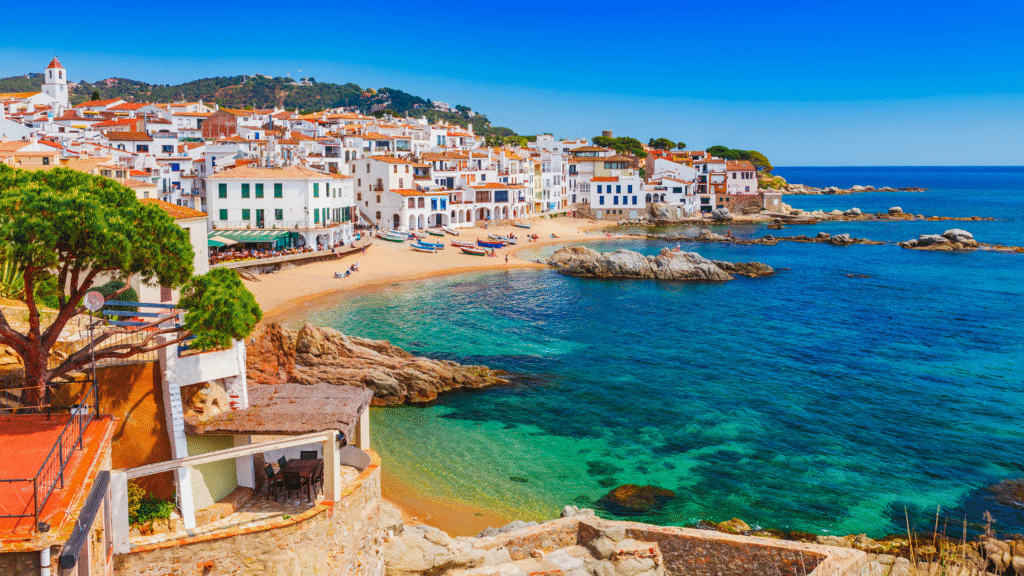
In North America, Austin, Texas, has become a magnet for remote workers, thanks to its lively atmosphere and innovative spirit. The city provides a plethora of co-working environments, from traditional offices to unique shared spaces that encourage collaboration.
Austin’s reputation as a tech hub ensures that digital nomads have access to cutting-edge resources while enjoying the city’s music, food, and outdoor activities, making it a well-rounded choice for those on the move.
Lastly, Lisbon, Portugal, has captured the hearts of digital nomads with its warm climate and rich history. The co-working spaces here are designed to inspire creativity and productivity, often featuring stunning views of the city and the river.
With a welcoming community and various networking events, Lisbon is not just a place to work; it’s a vibrant city where remote workers can thrive both personally and professionally. Embracing these top co-working destinations will undoubtedly elevate the remote work experience, allowing individuals to connect, create, and innovate.
Choosing the Right Space for Your Needs
Finding the right space for your remote work needs is essential for achieving productivity and maintaining a balanced lifestyle. As a digital nomad, your workspace can vary greatly depending on your location, personal preferences, and the type of work you do.
Whether you prefer bustling co-working spaces or the solitude of a quiet café, understanding what works best for you will enhance your remote working experience. Take the time to explore different environments and assess how each space impacts your focus and creativity.
Co-working spaces have gained immense popularity among remote workers for good reason. They offer a structured environment that fosters collaboration and networking opportunities, which can be incredibly beneficial for freelancers and entrepreneurs alike.
Many co-working spaces provide amenities such as high-speed internet, meeting rooms, and even social events, creating an ideal atmosphere for productivity. It’s important to research and find a space that aligns with your work style and offers the resources you need.
On the other hand, if you thrive in a less formal setting, coffee shops or public libraries might be more suitable for you. These venues often provide a relaxed atmosphere, allowing for flexibility in your work routine. However, keep in mind that factors like noise levels and internet connectivity can vary significantly.
Finding the right balance between comfort and productivity is key, so try different spots and observe how they affect your workflow.
As you consider your workspace options, also think about the logistics of your location. Factors such as access to reliable internet, proximity to food and amenities, and the overall safety of the area should influence your choice.
Whether you’re in a major city or a remote village, understanding the resources available to you can make a significant difference in your remote working experience. Researching local connectivity solutions and tech resources will empower you to make informed decisions.
Finally, don’t underestimate the importance of community when choosing your space. Engaging with fellow remote workers and digital nomads can provide a sense of belonging and support. Many co-working spaces or digital nomad meetups offer opportunities to connect, share experiences, and learn from each other.
Building a network can lead to collaborations, friendships, and even new business ventures, enriching your journey as a remote worker. Embrace the diversity of spaces available and choose one that resonates with your lifestyle and aspirations.
Networking at Co-Working Spaces
Networking at co-working spaces offers a unique opportunity for digital nomads to connect and collaborate with like-minded individuals from around the globe. These spaces are designed to foster creativity and innovation, providing an environment that encourages interaction.
When you work alongside fellow remote workers, you can share experiences, exchange ideas, and even form partnerships that could lead to exciting new projects.
In addition to the professional benefits, co-working spaces often host various networking events, workshops, and meetups that promote community building.
These gatherings allow for deeper connections beyond the usual daily interactions. Attending these events can introduce you to industry leaders and fellow nomads, expanding your network and potentially opening doors to new opportunities in your career.
Moreover, the diversity of professionals found in co-working spaces adds a rich layer to your networking experience. From freelancers and entrepreneurs to corporate remote workers, the range of backgrounds and skills can inspire fresh perspectives.
Engaging with people who have different expertise can enhance your own skill set and may even lead to collaborative ventures that enrich your remote work journey.
To maximize your networking potential, consider being proactive in initiating conversations and establishing connections. Simple gestures, such as introducing yourself during coffee breaks or participating in group activities, can lead to meaningful interactions.
Remember that building a network takes time and effort, so be patient and genuine in your approach to foster lasting relationships.
Lastly, it’s essential to leverage online platforms associated with co-working spaces. Many spaces have their own online communities where members can connect, share resources, and seek advice.
By engaging in these digital platforms, you can maintain relationships formed in person and continue to grow your network, regardless of where your travels take you next.
The Future of Co-Working for Nomads
As the digital nomad lifestyle continues to grow, the future of co-working spaces is adapting to meet the needs of remote workers around the globe. These innovative workspaces are not just places to plug in a laptop; they are community hubs that foster collaboration, creativity, and connection.
With the rise of flexible work arrangements, co-working spaces are evolving to offer more than just a desk and Wi-Fi. They are becoming essential environments that cater to the holistic needs of nomads, blending work with wellness and social engagement.
One of the most exciting trends in co-working for nomads is the integration of wellness facilities. Many spaces now incorporate fitness areas, meditation rooms, and even wellness workshops to promote a balanced lifestyle.
This focus on health is crucial for remote workers who often grapple with the challenges of maintaining physical and mental well-being while on the move. By providing resources that encourage healthy habits, these co-working spaces not only enhance productivity but also contribute to a more sustainable nomadic lifestyle.
Moreover, co-working spaces are increasingly embracing technology to enhance the remote work experience. High-speed internet, smart meeting rooms, and advanced booking systems are becoming standard features, allowing nomads to work efficiently from any location.
Additionally, many co-working hubs are creating partnerships with local businesses to offer discounts on travel-friendly gadgets and gear, further supporting the needs of digital nomads. This synergy between technology and community is paving the way for a more integrated work-life balance for remote workers.
As the co-working landscape evolves, we can also expect a shift towards more sustainable practices. Many spaces are prioritizing eco-friendly designs and operations, recognizing the importance of environmental responsibility among travelers.
This commitment to sustainability resonates with a growing number of digital nomads who seek to minimize their ecological footprint while exploring the world. By choosing co-working spaces that align with their values, nomads can contribute to a healthier planet while enjoying a productive work environment.
In conclusion, the future of co-working for nomads is bright and full of potential. As these spaces adapt to the unique challenges and desires of remote workers, they will continue to foster vibrant communities that support collaboration, creativity, and well-being.
Digital nomads can look forward to a world where their workspaces not only enhance productivity but also enrich their lives, making the journey of remote work more fulfilling and enjoyable than ever before.
Chapter 7: Health and Wellness for Mobile Lifestyles
Staying Fit on the Road
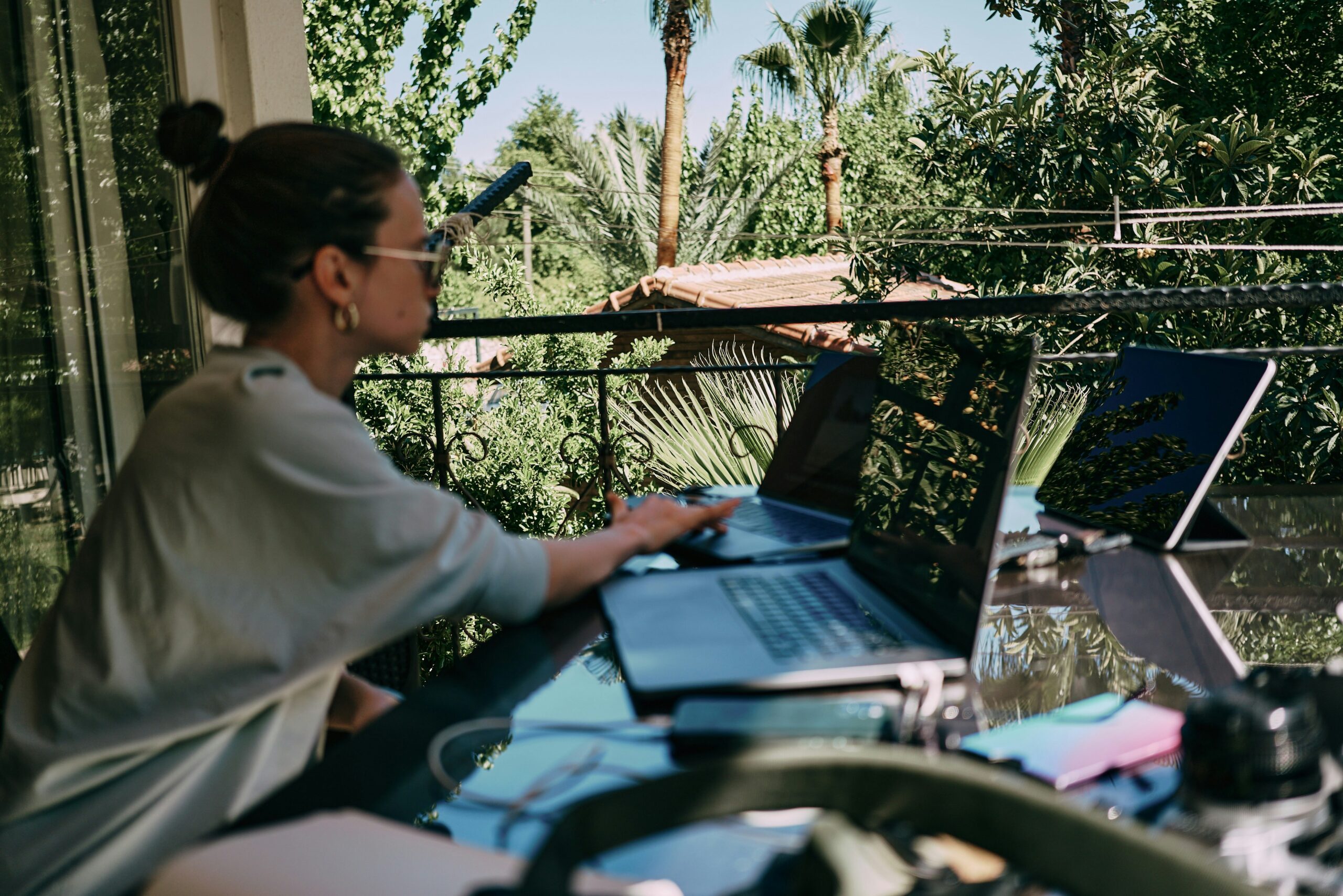
Staying fit while traveling as a digital nomad can be challenging, yet it is essential for maintaining both physical and mental well-being. The key is to integrate fitness into your daily routine in a way that is enjoyable and sustainable.
Whether you’re working from a bustling café in a new city or parked at a scenic overlook in your van, there are numerous opportunities to stay active and healthy. Finding balance in your work and fitness routine can enhance your productivity and overall happiness on the road.
One effective way to keep fit is to explore your surroundings through walking or biking. Many cities offer bike-sharing programs, making it easy to explore and stay active at the same time.
Walking not only allows you to take in the sights but also provides a great workout without needing any special equipment. Consider setting aside time each day for a long walk or bike ride, which can serve as a natural break from your screen time.
In addition to outdoor activities, bodyweight workouts are perfect for digital nomads looking to stay fit with minimal gear. Exercises such as push-ups, squats, and lunges can be done virtually anywhere, whether in your hotel room, co-working space, or even outdoors.
There are numerous fitness apps and online classes that can guide you through quick workouts that fit easily into your schedule, ensuring you can stay on track with your fitness goals regardless of your location.
Nutrition also plays a crucial role in your fitness journey. As you travel, it’s important to make conscious choices about your meals. Opt for local markets where you can find fresh produce, and try to prepare your own meals when possible.
This not only saves money but also allows you to maintain control over your diet. Meal planning and prepping can be a fun and rewarding aspect of your travels, providing you with healthy options that fuel your adventures.
Finally, consider joining local fitness groups or classes wherever you go. Many cities have communities focused on health and wellness, offering opportunities for social engagement and motivation. Whether it’s a yoga class in a park or a running club, these connections can enhance your experience as a digital nomad, making fitness a shared journey.
Embracing these practices will help you maintain your health, build community, and enjoy the freedom that comes with a mobile lifestyle.

Mental Health Considerations
As digital nomads navigate the complexities of remote work, mental health considerations become increasingly vital for a sustainable lifestyle. The freedom to work from anywhere can lead to feelings of isolation and stress, particularly for those who are constantly on the move.
Building awareness around mental health is essential, as it allows nomads to address these challenges proactively. Embracing practices that foster emotional well-being can enhance productivity and overall satisfaction while living a nomadic lifestyle.
Establishing a routine that includes regular check-ins on mental health can significantly benefit remote workers. This might involve setting aside time for mindfulness exercises, journaling, or simply reflecting on one’s emotional state.
Creating a balanced schedule that incorporates work, leisure, and social interaction is crucial. Digital nomads should prioritize their mental well-being as much as their professional responsibilities, ensuring that they do not lose sight of their emotional needs amid their busy schedules.

Community plays a pivotal role in supporting the mental health of digital nomads. Engaging with fellow travelers and remote workers can foster a sense of belonging and reduce feelings of isolation.
Participating in co-working spaces or local meetups can provide opportunities for social interaction, allowing nomads to share experiences and challenges. Building a supportive network is essential for emotional resilience, helping individuals navigate the ups and downs of the nomadic lifestyle together.
Another critical aspect of mental health for digital nomads is managing the stress that comes with constant travel and adaptation. Learning to embrace change and uncertainty can empower nomads to handle the unpredictable nature of their lifestyle.
Adopting stress-reduction techniques, such as yoga or meditation, can be beneficial in maintaining a balanced mindset. Additionally, being open to seeking professional help when needed is a sign of strength and can lead to healthier coping mechanisms.
Ultimately, the journey of a digital nomad is not just about exploring new places but also about nurturing mental health along the way.
By prioritizing emotional well-being, establishing routines, fostering community connections, and embracing stress management techniques, nomads can create a fulfilling and sustainable lifestyle. This holistic approach to mental health is vital for maintaining productivity and enjoying the freedom that comes with remote work.
Nutrition Tips for Travelers

Traveling as a digital nomad can be exhilarating, but maintaining a balanced diet while on the go is essential for your health and productivity. With the hustle of moving from one destination to another, it can be tempting to rely on fast food or convenience snacks.
However, investing a little time in meal planning and preparation can significantly enhance your energy levels and overall well-being. Consider packing portable kitchen gadgets that allow you to whip up quick, nutritious meals wherever you are.
When exploring new cultures, take advantage of local markets for fresh produce and unique ingredients. This not only supports local economies but also helps you discover new flavors that can inspire your cooking.
Engage with locals to learn about traditional dishes that are both healthy and delicious. Incorporating these foods into your meals can create a satisfying balance between maintaining your health and indulging in the culinary delights of your host country.
Hydration is another critical aspect of nutrition for travelers. Always carry a reusable water bottle and stay mindful of your fluid intake, especially in warm climates or during long travel days.
Consider investing in a portable water filter to ensure you have access to clean drinking water, no matter where your journey takes you. Staying hydrated can improve your focus and energy, making it easier to tackle your remote work tasks effectively.
Snacking on the go is often unavoidable, but it doesn’t have to mean sacrificing nutrition. Stock up on travel-friendly snacks like nuts, dried fruits, and whole-grain bars.
These options provide essential nutrients and energy without the added sugars and preservatives found in many processed snacks. Preparing your own snacks before a trip can also save you money and ensure you have healthy options readily available.
Lastly, don’t overlook the importance of eating mindfully. Take the time to enjoy your meals, even if you’re busy. Setting aside a few moments to focus on what you’re eating can help you appreciate your food and its nutritional value.
This practice not only enhances your dining experience but can also improve digestion and satisfaction. By prioritizing nutrition, you equip yourself to fully embrace the adventures of a digital nomad lifestyle, ensuring you remain healthy and energized throughout your travels.
Building a Routine While Traveling
Establishing a routine while traveling can significantly enhance your productivity as a digital nomad. The key is to find a balance between work and exploration, ensuring that your daily tasks align with your travel adventures.
By setting specific work hours and sticking to them, you create a sense of normalcy amidst the chaos of constant change. This approach not only helps in managing your workload but also allows you to enjoy your new surroundings without the guilt of unfinished tasks hanging over your head.
Incorporating technology into your routine can streamline your work processes. Utilizing remote work tools such as project management apps and communication platforms can keep you organized and connected, regardless of your location.
Invest in travel-friendly gadgets that enhance your productivity, like portable chargers and noise-canceling headphones, which can help create a conducive work environment anywhere. Additionally, consider co-working spaces that offer reliable internet and a professional atmosphere to help you stay focused and motivated.
Health and wellness should be integral parts of your routine while on the move. Prioritize physical activity by exploring local parks or taking yoga classes.
Mindfulness practices, such as meditation or journaling, can also help manage stress and maintain mental clarity. Remember, a healthy body and mind are essential for sustaining your productivity and creativity as a remote worker.
Building a community is another crucial aspect of maintaining a routine as a digital nomad. Engage with fellow nomads through online forums, social media groups, or local meetups.
These connections can provide not only professional support but also friendship and camaraderie during your travels. Sharing experiences and tips can inspire you to adapt your routine as needed and make the most out of each location you visit.
Lastly, be flexible with your routine to accommodate unexpected changes in your travel plans. Embrace the spontaneity of being a digital nomad, allowing room for adventure while still keeping your goals in sight.
A successful routine combines structure with the freedom to explore, ensuring that you remain productive while enjoying the journey. With the right balance, your travels can be both fulfilling and efficient, paving the way for a rewarding nomadic lifestyle.

Chapter 8: Legal and Tax Considerations for Nomads
Understanding Visa Requirements
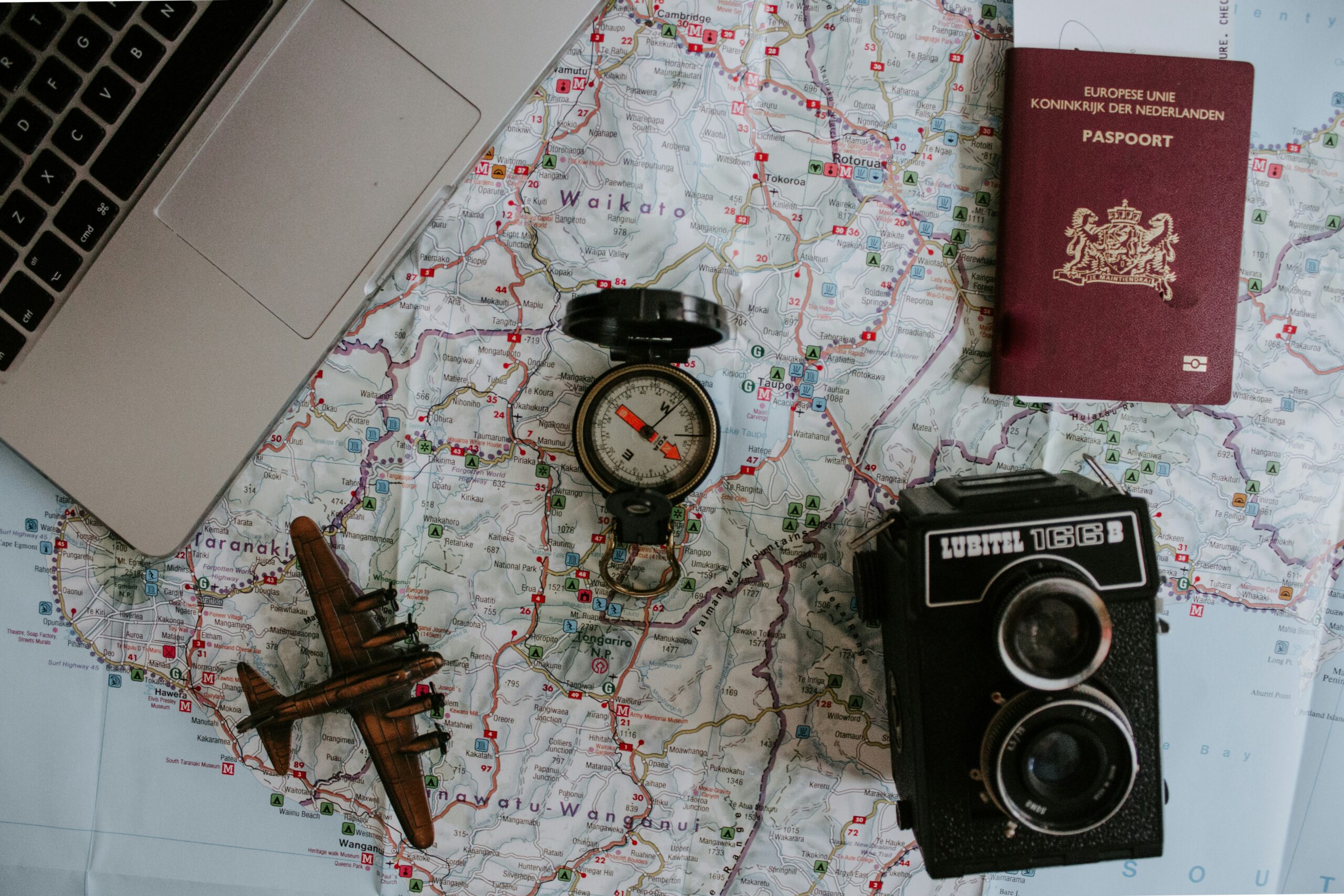
Understanding visa requirements is crucial for anyone embracing a digital nomad lifestyle. Each country has its own set of rules and regulations, which can often feel overwhelming.
From tourist visas to work permits, knowing what is needed before you travel can save you from unexpected legal issues and help you plan your stay effectively. It’s essential to research the specific requirements of your intended destination well in advance of your travels.
Digital nomads often navigate multiple countries within a single year, making it vital to stay informed about visa durations and renewal processes.
Some countries offer special digital nomad visas that cater to remote workers, allowing longer stays without the need for traditional work permits. Understanding these options can open doors to new opportunities and experiences, enhancing your journey as a remote worker.
Budgeting for visa fees is another important aspect of travel planning. Visa costs can vary significantly depending on the country and the type of visa. Including these expenses in your travel budget ensures that you won’t be caught off guard.
Additionally, consider the cost of legal advice if you’re unsure about the visa application process, especially if you plan to stay long-term.
Internet connectivity is essential for remote work, and having the right visa can influence your choice of destination. Countries with favorable visa policies for digital nomads often have thriving co-working spaces and robust internet infrastructure.
This connectivity not only supports your work but also allows you to connect with other like-minded individuals, fostering a sense of community.
In conclusion, understanding visa requirements is not just about compliance; it’s about enhancing your overall travel experience as a digital nomad.
By staying informed and prepared, you can focus on what truly matters – your work, your adventures, and building connections around the world. Embrace the journey with confidence, knowing you have all the legalities sorted out, and enjoy the freedom that comes with a mobile lifestyle.
Tax Obligations for Remote Workers
As remote work continues to rise, understanding tax obligations becomes essential for digital nomads. Many individuals who travel while working need to navigate complex tax laws that vary by country and region.
The implications of being a remote worker can lead to different tax responsibilities depending on your residency status, the location where you earn your income, and the agreements between countries. It is crucial for remote workers to be informed about these obligations to avoid unexpected tax liabilities.
One of the first steps for digital nomads is determining their tax residency status. Tax residency is typically defined by how much time you spend in a particular country each year. Some countries have a 183-day rule, meaning if you stay more than 183 days in that country, you may be subject to their tax laws.
Understanding where you qualify as a tax resident can significantly impact how much tax you owe, making it imperative to keep accurate records of your travels and time spent in each location.
In addition to residency, different countries have various tax treaties that can reduce double taxation for remote workers. These treaties are designed to protect individuals from being taxed by two countries on the same income.
Digital nomads should research whether their home country has a tax treaty with the countries they are visiting or residing in. This information can help guide their financial decisions and can potentially lead to considerable savings in taxes.
It’s also essential for remote workers to familiarize themselves with how to report their income properly. Many nomads may earn income from various sources, including freelance work, contracts, or even passive income from investments.
Each type of income may have different reporting requirements depending on the laws of the countries involved. Consulting with a tax professional who understands international tax law can help ensure compliance and optimize tax filings.

Lastly, staying updated on any changes in tax laws is vital for all remote workers. As governments adapt to the increasing number of digital nomads, tax regulations may evolve, impacting your obligations.
Regularly reviewing your tax situation and adjusting your financial strategies accordingly can help you maintain your mobile lifestyle while staying compliant with the law. Engaging with communities of fellow nomads can also provide valuable insights and shared experiences regarding tax obligations, making the journey easier and more informed.
Protecting Your Business Legally
In the ever-evolving landscape of remote work, protecting your business legally is of paramount importance. As a digital nomad, you often navigate different countries with diverse legal frameworks, which can complicate matters.
Establishing a solid legal foundation not only safeguards your business but also empowers you to focus on what you do best—creating and innovating. Understanding the local laws where you operate can help you avoid potential pitfalls and ensure compliance.
One critical aspect of legal protection is the formation of a business entity. Whether you choose to register as a sole proprietor, limited liability company (LLC), or corporation, your choice impacts your liability and tax obligations.
An LLC, for example, can provide personal liability protection, which is essential when you are working in various jurisdictions. Consulting with a legal professional who specializes in international business can help you make informed decisions that align with your entrepreneurial goals.
Intellectual property (IP) is another vital area to consider. As a creator or influencer, your content, branding, and inventions need protection from infringement.
Registering trademarks and copyrights can secure your work and give you recourse if someone misuses your intellectual property. Moreover, understanding the IP laws in the countries you operate can help you navigate potential disputes more effectively.
Additionally, contracts play a crucial role in establishing clear expectations with clients, collaborators, and co-workers. Well-drafted contracts can mitigate misunderstandings and provide legal recourse in case of disputes.
As a digital nomad, you may encounter diverse work arrangements, so having a standard contract template that you can adapt to different situations can streamline your processes and enhance your professionalism.
Finally, staying informed about tax obligations is essential for any digital nomad. Each country has its own tax laws, and being compliant can prevent unnecessary fines or legal issues. Engaging with a tax advisor familiar with the complexities of international taxation can help you navigate these waters.
By taking proactive steps to protect your business legally, you can enjoy your travels and focus on growing your brand, knowing that you are safeguarded against potential legal challenges.

Insurance Needs for Nomads
For full-time digital nomads, understanding and securing the right type of insurance is crucial for maintaining peace of mind while exploring the world. With the unique challenges that come with a mobile lifestyle, such as fluctuating work locations and varying legal requirements in different countries, nomads need to prioritize their insurance needs.
This includes health insurance tailored to international travelers, as well as coverage for equipment, liability, and travel disruptions. By taking the time to research and select the appropriate policies, nomads can ensure they are protected against unforeseen circumstances.
Health insurance is a priority for digital nomads, as access to quality medical care can vary greatly from one country to another. Many nomads opt for international health insurance plans that cover a wide range of medical services, including emergencies and routine care.
It’s essential to read the fine print to understand exclusions, coverage limits, and whether the policy is valid in your destination countries. A solid health insurance plan not only safeguards your health but also provides a safety net in case of accidents or illnesses that could derail your travel plans.
In addition to health insurance, equipment coverage is vital for those who rely on technology to earn a living. Laptops, cameras, and other essential gadgets are often at risk during travels. Policies that cover theft, loss, or damage to your equipment can save you from significant financial setbacks.
It’s wise to investigate specialized insurance options that cater specifically to tech users, ensuring that your tools for remote work are safeguarded while you traverse different environments.
Liability insurance is another important consideration for digital nomads, particularly those who may engage with clients or customers in various locations. This type of insurance protects against claims of negligence or damages that might occur during business transactions.
For creators and influencers, having liability coverage can provide a layer of protection against lawsuits stemming from content creation or sponsored partnerships, allowing them to focus on their work without the looming threat of legal issues.
Finally, travel insurance is essential for any nomad, as it provides coverage for trip cancellations, interruptions, or other unexpected events that can affect travel plans.
Many nomads choose comprehensive travel insurance that includes health coverage, equipment protection, and liability in one package. By investing in the right insurance, digital nomads can travel with confidence, knowing they are prepared for whatever challenges may arise during their adventures.
Chapter 9: Community Building for Digital Nomads
Finding Your Tribe
In the journey of a digital nomad, finding your tribe is as crucial as discovering the right tools and software for remote work. Your tribe represents a community of like-minded individuals who understand the unique challenges and thrills of a mobile lifestyle.
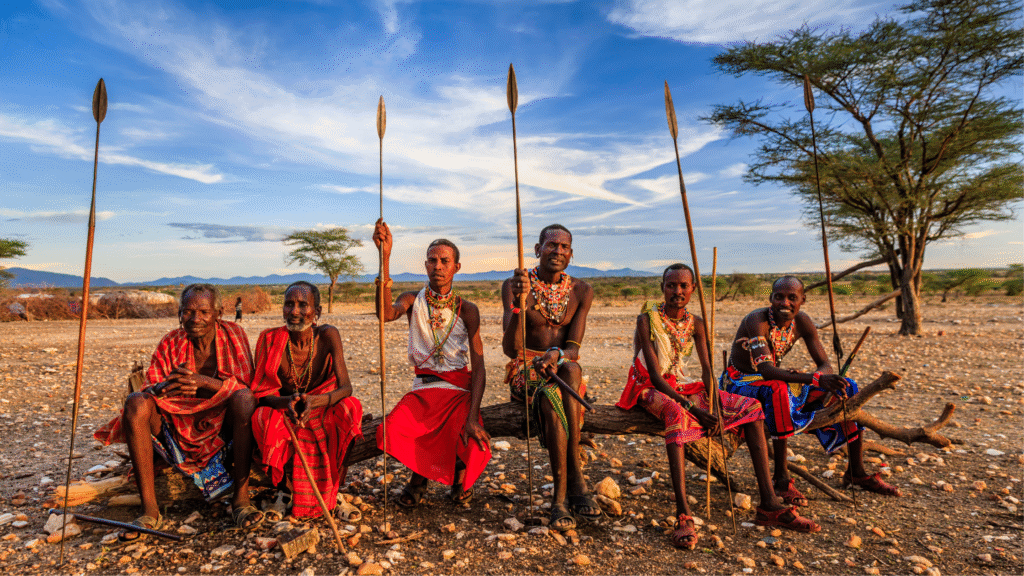
They can offer support, share experiences, and provide insights that can make your travels more enriching. Whether you’re a full-time digital nomad or an aspiring traveler, connecting with others who share your passion for remote work can greatly enhance your journey.
Engaging with fellow nomads can be done through co-working spaces around the world, where you can meet other remote workers and creators. These spaces not only provide essential work environments but also foster collaboration and networking opportunities.
You can exchange ideas, find potential partners for projects, or simply enjoy the camaraderie that comes with being in a shared workspace. By surrounding yourself with others who understand the nomadic lifestyle, you can significantly boost your motivation and creativity.
Online platforms also play a vital role in community building for digital nomads. Social media groups, forums, and dedicated websites allow you to connect with others regardless of your location. These platforms can help you find local meetups, workshops, and events tailored to digital nomads.
Engaging in these communities not only helps in making new friends but also provides valuable resources for travel-friendly gadgets and gear, internet connectivity solutions, and budgeting tips that can enhance your nomadic experience.
Health and wellness are essential aspects of a mobile lifestyle, and finding your tribe can support you in maintaining a balanced life while traveling.
Many nomads prioritize physical and mental well-being, participating in group activities such as yoga sessions, hiking trips, or wellness retreats. Being part of a community that values health can encourage you to adopt sustainable travel practices and ensure you are taking care of yourself while navigating the challenges of remote work.
Lastly, legal and tax considerations for nomads can be overwhelming, but having a supportive community can help you navigate these complexities. Sharing experiences and advice on managing finances while traveling can ease the burden of uncertainty.
Your tribe can provide insights into the best practices for staying compliant with regulations and avoiding pitfalls. In essence, finding your tribe not only enriches your travels but also empowers you to thrive in your remote work journey.
Leveraging Social Media for Connection
In today’s interconnected world, social media serves as a powerful tool for digital nomads to forge meaningful connections. Whether you are a full-time traveler or a remote worker, platforms like Instagram, Twitter, and LinkedIn can help you build a network that transcends geographical boundaries.
By sharing your experiences, insights, and challenges, you not only inspire others but also attract like-minded individuals who can become valuable collaborators, friends, or mentors on your journey.
Engaging with fellow nomads through social media allows you to tap into a wealth of resources and support. Many digital nomads share information about co-working spaces, reliable internet connectivity solutions, and travel-friendly gadgets that can enhance your mobile lifestyle.
By participating in relevant groups and discussions, you can find answers to your questions and gain insights into the best practices for managing your remote work while exploring the world.
Moreover, social media platforms provide an excellent opportunity for community building. Creating or joining niche communities focused on digital nomadism can lead to fostering genuine relationships.
These communities often facilitate meetups, online events, and collaborations that enrich your experience, making it easier to navigate the challenges of a mobile lifestyle while ensuring you have a support system in place.
As you leverage social media for connection, remember the importance of authenticity. Sharing genuine content about your travels, struggles, and successes resonates more with your audience. This authenticity not only attracts followers but also builds trust within your community, making it more likely that others will reach out to connect.
By being vulnerable and open, you pave the way for deeper connections that can lead to long-lasting friendships and professional opportunities.
Lastly, don’t underestimate the power of social media for skill development. Many creators and influencers share tips, tutorials, and resources that can help you grow both personally and professionally.
By actively participating in these online learning opportunities, you can enhance your skill set, stay updated with industry trends, and ensure that you continue to thrive in your remote work endeavors.
Ultimately, leveraging social media is not just about networking; it’s about building a community that supports your journey as a digital nomad.
Organizing Meetups and Events
Organizing meetups and events is a powerful way for digital nomads to connect, share experiences, and build community. Whether you are a seasoned traveler or just starting your journey, hosting an event can create a welcoming atmosphere for like-minded individuals.
This not only fosters relationships but also offers opportunities for collaboration, learning, and personal growth. By bringing people together, you can share valuable insights about remote work tools and software that enhance productivity and efficiency while on the move.
When planning a meetup, consider the unique needs of your audience. Choose a location that is accessible and conducive to networking, such as a co-working space or a local café with reliable internet connectivity.
This ensures that participants can engage comfortably and focus on building connections. Additionally, offering a mix of structured activities and informal networking time can cater to different personalities and preferences, making the event enjoyable for everyone.
Promoting your event effectively is crucial to attract attendees. Utilize social media platforms, online communities, and local networks to spread the word. Creating an event page with details about the agenda, location, and what participants can expect will help generate interest.
Encourage participants to share the event with their networks, amplifying your reach and creating a buzz around the gathering. Remember, the more diverse the group, the richer the discussions and experiences shared.
Incorporating elements that resonate with the digital nomad lifestyle can enhance the overall experience of the event. Consider inviting guest speakers who are experts in remote work, travel-friendly gadgets, or sustainable travel practices.
Workshops or panel discussions can provide valuable insights that attendees can take back to their own journeys. By offering practical advice and real-life stories, you create a space where learning and inspiration flow freely.
Finally, after the event, don’t forget to follow up with participants. Gathering feedback and sharing event highlights can strengthen the community and encourage future engagement. Creating a mailing list or a dedicated social media group can keep the conversation going and foster lasting connections.
Organizing meetups and events is not just about networking; it’s about building a supportive community that enriches the lives of digital nomads and remote workers around the world.
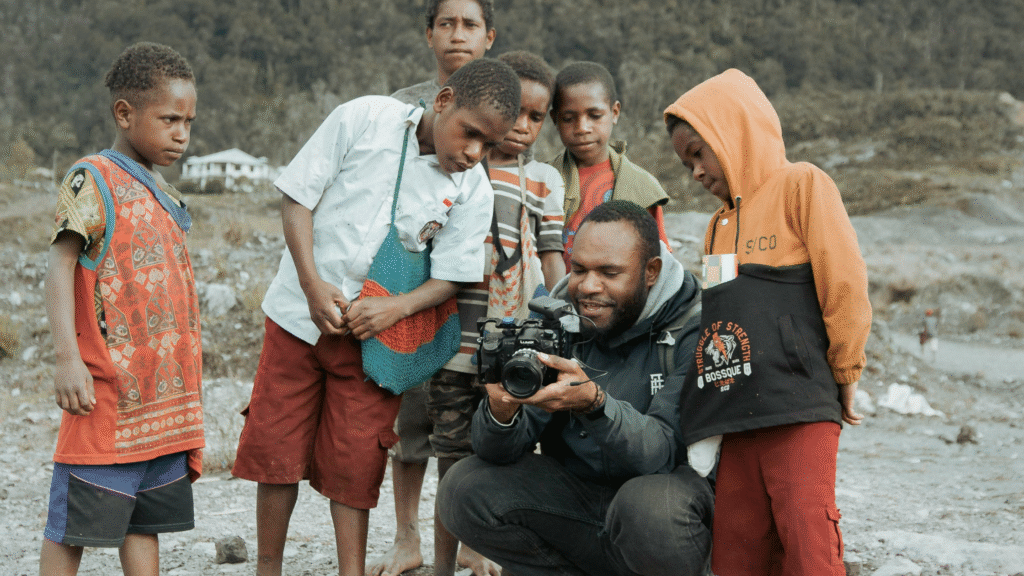
Online Communities for Support
In the ever-evolving world of remote work, online communities have emerged as vital lifelines for full-time digital nomads and remote workers.
These virtual spaces provide a platform for like-minded individuals to connect, share experiences, and offer support, which is indispensable for those navigating the challenges of a nomadic lifestyle. From forums to social media groups, the diversity of online communities allows members to find specific niches that resonate with their personal and professional pursuits.
One of the primary benefits of engaging with online communities is the wealth of information available. Whether you are seeking advice on budgeting for travel, finding the best co-working spaces, or mastering the latest remote work tools, these communities are treasure troves of knowledge.
Members often share their own insights and recommendations, which can help streamline your processes and enhance your productivity while on the road.
Moreover, online communities foster a sense of belonging that is crucial for mental well-being. The nomadic lifestyle can sometimes feel isolating, but interacting with others who understand your unique challenges can alleviate feelings of loneliness.
Through virtual meetups, shared experiences, and even group travel opportunities, you can forge meaningful connections that enrich your journey as a digital nomad.
In addition to emotional support, these communities often serve as a networking hub. Collaborations, job opportunities, and partnerships frequently arise from connections made within these platforms.
By actively participating, you not only gain valuable advice but also open doors to new ventures that can enhance your career and lifestyle as a remote worker.
Finally, as the digital nomad community continues to grow, so does the emphasis on sustainable travel practices and responsible work habits. Many online groups focus on sharing tips on minimizing environmental impact while traveling and maintaining a healthy work-life balance.
Engaging with these communities can inspire you to adopt more sustainable practices, ensuring that your journey as a tech nomad leaves a positive mark on the world.

Chapter 10: Sustainable Travel Practices for Tech Nomads
Eco-Friendly Travel Tips
Traveling sustainably is an essential aspect of being a responsible digital nomad. As you roam from one destination to another, consider how your choices impact the environment.
Opting for eco-friendly accommodations, such as hostels that prioritize green practices or hotels with sustainability certifications, can significantly reduce your carbon footprint while still providing comfort and convenience.
Additionally, utilizing local transport options like bikes or public transit not only supports the community but also enhances your travel experience by allowing you to engage more intimately with your surroundings.
When packing for your travels, consider the environmental impact of the gear you choose. Invest in travel-friendly gadgets that are designed with sustainability in mind. Look for solar-powered chargers, reusable water bottles, and eco-friendly toiletries to minimize waste.
These items not only help you stay connected and healthy on the road but also contribute to a more sustainable lifestyle. Remember, every small choice you make can collectively lead to significant positive changes.
Eating locally sourced food is another way to travel sustainably. Support local farmers and markets by choosing meals that feature regional ingredients. This not only reduces the environmental impact of transporting food but also enhances your culinary experience.
Engage with local cultures through their cuisine, and share your favorite discoveries with fellow travelers online, creating a ripple effect of appreciation for sustainable practices.
Community plays a vital role in the digital nomad lifestyle. Seek out co-working spaces that emphasize sustainability and community engagement. These spaces often promote eco-friendly initiatives and provide networking opportunities with like-minded individuals.
By collaborating with others who share your values, you can exchange tips and resources that further enhance your eco-conscious travel experiences.
Lastly, be mindful of your digital footprint as a remote worker. Consider the impact of your online activities, and opt for greener internet solutions whenever possible. Choose data centers powered by renewable energy and limit unnecessary downloads to reduce your energy consumption.
By fostering a sustainable mindset in both your travel and work practices, you can inspire others in the digital nomad community to join you in making eco-friendly choices.

Reducing Your Carbon Footprint
In an era where climate change is a pressing concern, reducing your carbon footprint becomes essential, especially for digital nomads who often travel extensively.
Adopting sustainable practices not only benefits the planet but also enhances your overall travel experience. By making conscious choices, you can significantly minimize the environmental impact of your lifestyle while still enjoying the freedom that comes with working remotely.
One effective way to reduce your carbon footprint is by choosing eco-friendly transportation options. Whether you’re flying, driving a van, or using public transport, consider carbon offset programs that allow you to invest in renewable energy or reforestation projects.
Additionally, when possible, opt for trains or buses over airplanes, as these modes of transport typically have a lower carbon impact. Combining multiple shorter trips into a single journey can also maximize your efficiency and reduce emissions.
Embracing a minimalist lifestyle is another approach to sustainability. By prioritizing quality over quantity in your gear and gadgets, you can reduce waste and ensure that what you carry serves a purpose.
Invest in durable, travel-friendly equipment that has a lower environmental impact, such as solar chargers and multi-functional devices. This not only lightens your load but also minimizes the energy consumed during production and transportation.
When it comes to accommodation, seek out eco-conscious options that prioritize sustainability. Many co-working spaces and hostels are now adopting green practices, from utilizing renewable energy to implementing recycling programs.
Staying in such places supports local economies while reducing your carbon footprint. Furthermore, consider using platforms that allow you to find accommodations with sustainable certifications, ensuring your stay aligns with your environmental values.
Lastly, engage with local communities and participate in initiatives that promote environmental awareness. Joining group clean-up events or volunteering for conservation projects not only helps the planet but also enriches your travel experience.
Building relationships with like-minded individuals can inspire you to adopt even more sustainable practices, creating a ripple effect that benefits the global community of digital nomads.
Supporting Local Economies
Supporting local economies is essential for digital nomads seeking to make a positive impact while traveling. As remote workers explore new destinations, they often have the opportunity to engage with local businesses, fostering a sense of community and collaboration.
This not only enhances the travel experience but also helps to sustain the economic fabric of the areas they visit, ensuring that their presence contributes to local prosperity.
One effective way to support local economies is by choosing to shop at local markets and stores instead of international chains. By purchasing handmade crafts, locally sourced food, and unique souvenirs, nomads can help generate income for local artisans and farmers.
This practice not only supports livelihoods but also creates a richer travel experience, as each item carries a story and connection to the culture.
Moreover, utilizing local services such as co-working spaces, cafes, and workshops can significantly benefit the community. These venues often rely on foot traffic from remote workers who seek a conducive environment for productivity.
By frequenting these local establishments, nomads can contribute directly to the economic ecosystem, providing jobs and helping to sustain operations that might otherwise struggle without consistent patronage.
Digital nomads can also engage in community-building activities, such as attending local events or volunteering for initiatives that benefit the area.
Participating in local workshops, language exchanges, or cultural festivals allows nomads to network with residents and other travelers, further enriching their experience while promoting local culture and business. This symbiotic relationship enhances the nomadic lifestyle, making travel more meaningful and integrated.
Lastly, adopting sustainable practices while traveling can amplify the positive impact on local economies. Choosing eco-friendly accommodations, reducing waste, and supporting responsible tourism initiatives can help ensure that the economic benefits of tourism are felt long after a nomad has left.
By being mindful of their travel choices, digital nomads can foster a legacy of sustainability and support that benefits future generations.
Sustainable Tech Choices
In today’s world of digital nomadism, making sustainable tech choices is more essential than ever. As remote workers traverse the globe, their decisions on technology can significantly impact the environment.
Opting for eco-friendly devices and software solutions not only enhances their work efficiency but also contributes to a healthier planet. Digital nomads can lead the way by prioritizing sustainability in their tech toolkit, making choices that reflect their values and lifestyle.
One of the first steps in sustainable tech choices is selecting energy-efficient gadgets. When purchasing laptops, smartphones, and other devices, look for Energy Star ratings or similar certifications. These products consume less power and often have a lower carbon footprint.
Additionally, investing in solar chargers or portable power banks can help nomads harness renewable energy while on the go, allowing them to work from remote locations without relying heavily on traditional power sources.
Software also plays a crucial role in sustainable tech choices. Cloud-based solutions can reduce reliance on physical hardware, minimizing electronic waste. By using collaboration tools that streamline communication and project management, digital nomads can work efficiently without needing multiple devices.
This not only conserves resources but also enhances productivity, allowing nomads to focus on what truly matters — their work and experiences.
Moreover, the choice of coworking spaces can impact sustainability. Many co-working spaces now prioritize eco-friendly practices, utilizing sustainable materials and promoting recycling programs.
By choosing to work in these spaces, digital nomads can support businesses that align with their values, fostering a community of like-minded individuals who are committed to sustainability.
This creates an environment where innovation thrives, and members can collaborate on projects that make a positive difference.
Lastly, it’s important for digital nomads to stay informed about sustainable practices in their travels. Engaging in local community initiatives and supporting eco-conscious businesses during their journeys can amplify their impact.
By sharing their experiences and knowledge about sustainable tech choices, nomads inspire others to embrace eco-friendly practices, creating a ripple effect that resonates far beyond their immediate circles. Together, they can redefine what it means to be a tech-savvy traveler, paving the way for a more sustainable future.
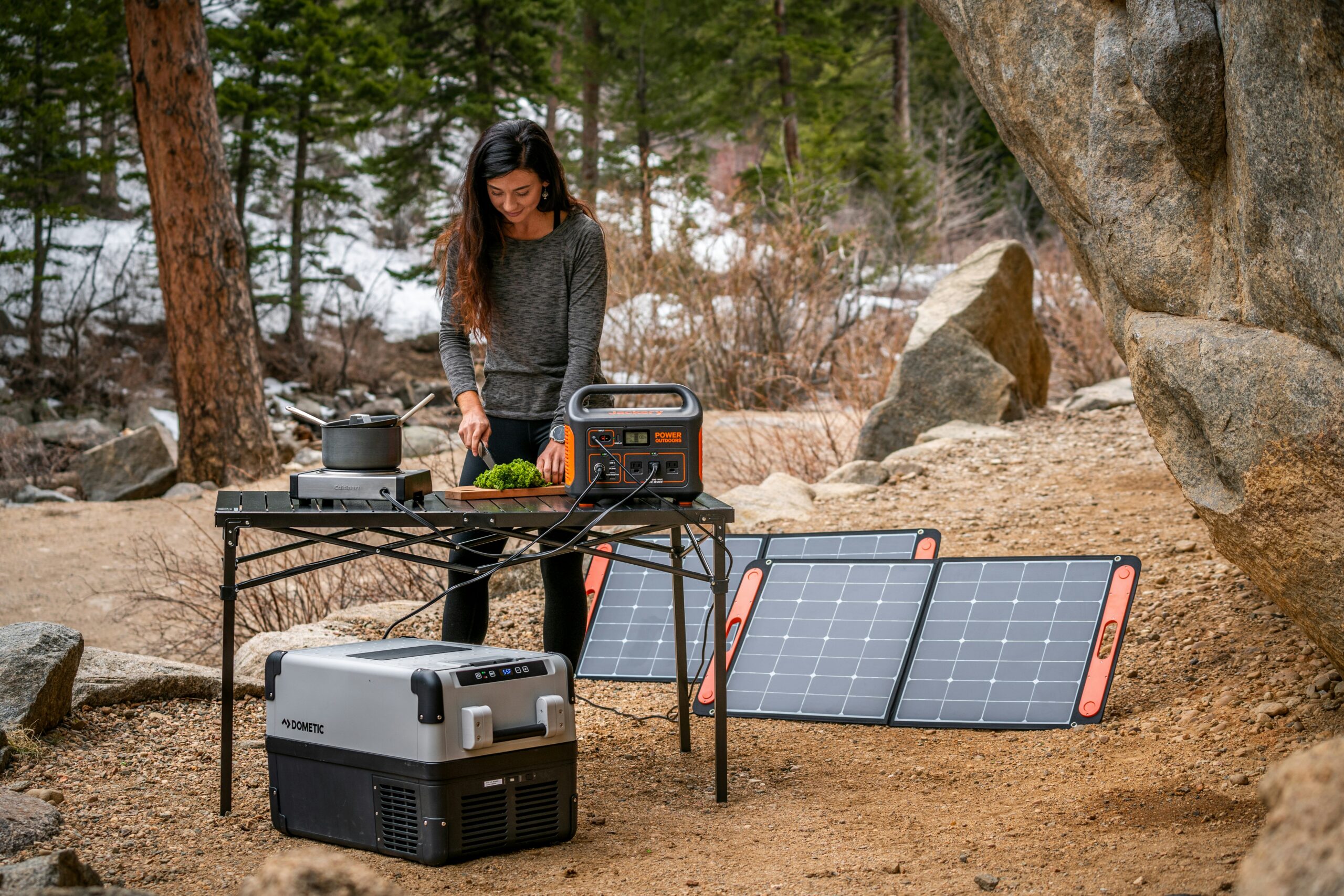
Chapter 11: Online Learning and Skill Development for Remote Workers
Best Platforms for Online Courses
In the digital age, the rise of online learning platforms has empowered full-time digital nomads and remote workers to pursue skill development from anywhere in the world.
Platforms such as Coursera and Udemy offer a wide variety of courses covering everything from coding to photography, catering to diverse interests and professional needs. These platforms provide flexibility, allowing learners to engage with content at their own pace, which is essential for those constantly on the move.
Another excellent platform for online learning is LinkedIn Learning, which combines professional development with networking opportunities. As a digital nomad, honing your skills while connecting with like-minded professionals can enhance both your career and your community.
The platform offers courses that are tailored to current industry trends, making it a valuable resource for aspiring digital nomads seeking to stay ahead in their fields.
Skillshare stands out as a creative hub for those looking to explore their artistic side. With a focus on project-based learning, it allows creators and influencers to engage in hands-on projects that spark creativity and innovation.
This interactive approach not only fosters skill development but also helps build a portfolio that can attract clients and collaborations, making it ideal for van lifers and RV travelers who thrive on creativity.
Moreover, specialized platforms like MasterClass offer insights from industry experts, providing inspiration and knowledge that can be directly applied to your craft.
Being able to learn from renowned figures while traveling can ignite motivation and encourage a deeper connection to your work. This is particularly beneficial for remote workers who may seek to elevate their skills in a competitive market.
Finally, for those focusing on health and wellness, platforms like Gaia offer courses related to yoga, meditation, and holistic living. This can be essential for nomads prioritizing mental and physical well-being while managing a mobile lifestyle.
Embracing these online learning opportunities not only enriches your knowledge but also enhances your journey as a digital nomad, making it more fulfilling and sustainable.
Developing Skills for the Future
In a world where the landscape of work is constantly evolving, developing skills for the future has never been more critical. Digital nomads, remote workers, and aspiring travelers should prioritize adaptability and lifelong learning to stay relevant in their fields.
Embracing online learning platforms allows you to enhance your skill set from anywhere in the world, making it easier to keep pace with advancements in technology and industry practices. This proactive approach not only empowers individuals but also enhances their marketability in a competitive job market.
One essential area for skill development is digital literacy. As remote work increasingly relies on various software tools and platforms, being proficient in technology is paramount.
Understanding project management tools, communication software, and data analysis techniques can set you apart from your peers. Furthermore, cultivating an awareness of cybersecurity measures is crucial to protect your work and personal data while navigating different online environments.
Another important skill to develop is cultural competence. As you travel and work in diverse locations, understanding various cultures and communication styles becomes vital.
This skill fosters better collaboration with global teams and clients, enhancing your overall effectiveness as a remote worker. Engaging with local communities and participating in co-working spaces can provide valuable insights into cultural nuances, enriching both personal and professional experiences.
Networking and community building are also indispensable for digital nomads. Establishing connections within the remote work community can open doors to mentorship, collaboration, and opportunities.
Utilizing social media and attending nomad meetups can help you build a strong professional network that supports your journey. Remember, the relationships you cultivate can lead to job referrals, partnerships, and friendships that enhance your travels and work life.
Lastly, prioritize wellness and self-care in your skill development journey. Navigating the challenges of remote work while traveling requires resilience and mental fortitude.
Incorporating practices such as mindfulness, exercise, and proper nutrition into your routine can enhance your productivity and overall well-being.
By focusing on health as a key component of your lifestyle, you can sustain your passion for travel and work, ensuring a fulfilling and balanced nomadic life.
Networking and Collaboration
Networking and collaboration are essential components of the digital nomad lifestyle. As full-time remote workers, we thrive in diverse environments that foster connections with like-minded individuals.
Building a strong network not only enhances our professional opportunities but also enriches our personal experiences while traveling. Whether you’re working from a bustling co-working space in Bali or a quiet café in Lisbon, engaging with others can lead to valuable partnerships and friendships that last beyond your travels.
In the realm of digital nomadism, establishing a collaborative spirit is crucial. By sharing resources, experiences, and knowledge, we create a supportive community that helps each other navigate the challenges of remote work.
This collaboration often extends to online platforms, where nomads can exchange tips on budgeting, travel-friendly gadgets, or the best internet connectivity solutions. Embracing this culture of sharing not only makes our journeys more fulfilling but also strengthens our professional networks.
Co-working spaces have become hubs for networking and collaboration among remote workers. These spaces provide an excellent opportunity to meet fellow digital nomads, freelancers, and entrepreneurs.
Networking events, workshops, and casual meet-ups organized within these environments can spark new ideas and collaborations. Being proactive in connecting with others in these spaces can lead to unexpected opportunities, whether it’s finding a new client, launching a joint project, or simply making a new friend.
As we navigate our careers as digital nomads, it’s also important to prioritize health and wellness. Collaborating with others on wellness initiatives can enhance our overall well-being.
Whether it’s forming a fitness group, sharing healthy recipes, or participating in group meditation sessions, engaging in these activities can foster a sense of community.
This shared commitment to health not only improves our productivity but also strengthens our bonds with fellow nomads.
In conclusion, networking and collaboration are vital for the success and enjoyment of the digital nomad lifestyle. By actively engaging with others, both online and offline, we can expand our horizons and create a vibrant support system.
As we continue to embrace new experiences, let’s remember to foster connections that inspire us and propel us forward in our journeys as remote workers. Together, we can build a thriving community that celebrates the joys and challenges of living and working on the road.
Lifelong Learning as a Nomad
Lifelong learning is essential for digital nomads, as it keeps them adaptable in a rapidly changing world. Embracing new skills and knowledge not only enhances professional growth but also enriches personal experiences.
Whether it’s mastering the latest remote work tools or diving into cultural courses in a new country, a commitment to ongoing education can transform a nomadic lifestyle from ordinary to extraordinary.
This approach not only helps in career advancement but also ensures they remain competitive in the ever-evolving job market.
In the digital age, there are countless resources available to facilitate learning on the go. Online platforms such as Coursera, Udemy, and LinkedIn Learning provide courses that can be accessed from anywhere with an internet connection.
Additionally, podcasts and audiobooks offer valuable insights while traveling, making it easier to turn commute time into productive learning moments.
Networking is another crucial aspect of lifelong learning for nomads. Engaging with local communities or fellow travelers provides opportunities to exchange knowledge and skills.
Co-working spaces often host workshops and seminars, allowing remote workers to connect with experts and like-minded individuals, fostering a culture of collaborative growth and support.
Budgeting for continuous education can be a strategic investment for digital nomads. Many online courses are affordable, and some even offer free content. By prioritizing learning as part of their budget, nomads can enhance their skill sets without compromising their financial stability.
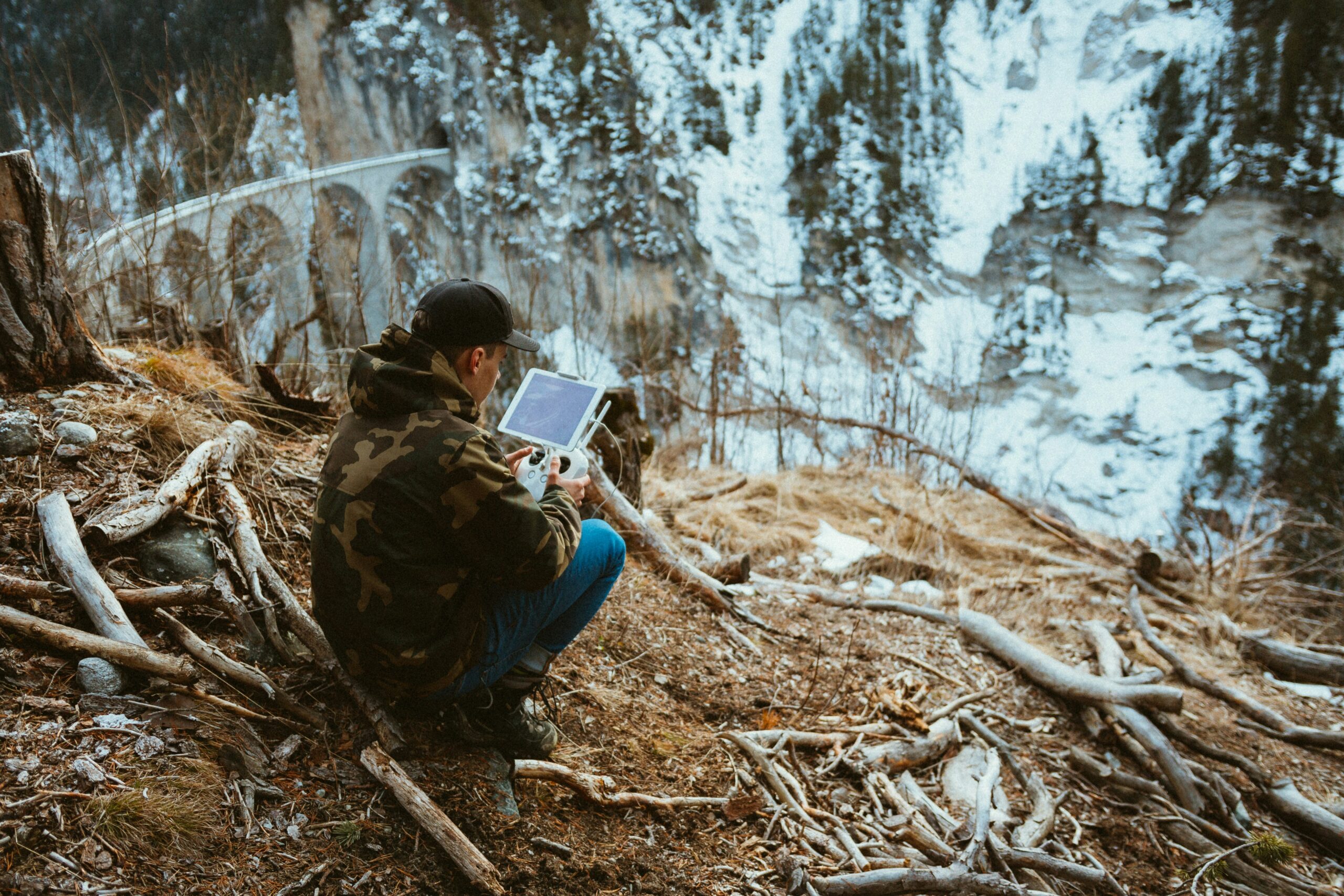
Ultimately, cultivating a mindset of lifelong learning empowers digital nomads to thrive in diverse environments. It encourages adaptability, resilience, and creativity, essential traits for navigating the challenges of remote work and travel.
By embracing learning as a lifelong journey, nomads can turn their adventures into a rich tapestry of experiences, skills, and connections that shape their professional and personal lives.