Chapter 1: Introduction to Nomadic Hosting
Importance of Online Presence for Freelancers
In the digital age, having a robust online presence is crucial for freelancers seeking to thrive in a competitive market. For digital nomads, maintaining an engaging online persona can significantly impact their ability to attract clients and opportunities.
A well-crafted website serves as a portfolio that showcases skills and previous work, while social media profiles can amplify reach and facilitate connections with potential clients. This multifaceted online presence enables freelancers to establish credibility and trust, which are essential in a world where personal recommendations often drive business decisions.
SEO strategies play a vital role in enhancing visibility for freelancers. By optimizing their websites and content for search engines, they can improve their chances of being discovered by clients looking for specific services.
Understanding keywords relevant to their niche and integrating them into their content can lead to higher search rankings. For digital nomads, who may frequently change locations, utilizing local SEO strategies can also help attract nearby clients, making their services more accessible.
Website builders tailored for travelers can simplify the process of creating an online presence. Many of these platforms offer user-friendly interfaces that require no coding knowledge, allowing freelancers to focus on their craft rather than technical details.
These tools often come with templates designed specifically for showcasing portfolios, making it easier for freelancers to present their work attractively. As a result, digital nomads can quickly establish a professional-looking website, no matter where they are in the world.
In addition to a website, cloud storage options are essential for remote workers. They provide a convenient way to store and access important documents, allowing freelancers to work seamlessly from any location.
This flexibility is crucial for digital nomads who may not always have access to their primary devices. With reliable cloud storage solutions, freelancers can ensure their work is secure and easily accessible, fostering productivity and peace of mind.
Lastly, social media management tools are indispensable for location-independent entrepreneurs. These platforms enable freelancers to schedule posts, track engagement, and analyze their audience, ensuring they maintain an active online presence without overwhelming themselves.
By leveraging these tools, digital nomads can effectively market their services, engage with their audience, and ultimately grow their client base, making their freelance careers sustainable while they explore the world.
Chapter 2: Affordable Web Hosting Solutions
Types of Web Hosting Services
In the digital landscape, understanding the various types of web hosting services is crucial for freelancers and digital nomads. Shared hosting is one of the most popular options, particularly for those just starting out.
This service allows multiple websites to share a single server, making it an affordable choice for individuals who require basic functionalities without heavy traffic demands. While it’s cost-effective, shared hosting may come with limitations in terms of speed and performance, especially as your website grows and attracts more visitors.
VPS (Virtual Private Server) hosting offers a step up from shared hosting by providing dedicated resources within a virtual environment. This type of hosting is ideal for freelancers who need more control and flexibility over their server settings.
It allows for greater customization and can handle higher traffic volumes without compromising performance. For remote workers who run multiple websites or require specific configurations, VPS hosting can be a practical solution, offering a balance between cost and performance.
For those looking for scalability and reliability, cloud hosting has emerged as a popular choice. This service utilizes a network of virtual servers to host websites, allowing for increased uptime and the ability to manage traffic spikes effectively.
Freelancers and digital nomads can particularly benefit from cloud hosting due to its pay-as-you-go pricing model, which means you only pay for the resources you use. This flexibility can be especially advantageous for those who travel frequently and may have fluctuating hosting needs.
Dedicated hosting is the most robust option available, providing an entire server dedicated to a single user. This type of hosting is best suited for established businesses or successful freelancers who require maximum performance and security.
While it may come at a higher cost, dedicated hosting offers unparalleled control and customization, making it the preferred choice for those with significant online presence and demands. Digital entrepreneurs who handle sensitive information often opt for dedicated servers to ensure their data remains protected.
Finally, managed hosting services simplify the web hosting experience for digital nomads by handling server management tasks such as updates and security. This frees up valuable time for freelancers to focus on their core responsibilities, while still ensuring their websites are running smoothly.
Managed hosting can be an attractive option for content creators and influencers who may not have the technical expertise to manage their own servers, allowing them to dedicate more time to building their brand and engaging with their audience.
Top Budget-Friendly Hosting Providers
For digital nomads and remote workers, finding budget-friendly hosting providers is essential to maintaining an online presence without breaking the bank. Many freelancers, content creators, and web developers need reliable hosting that doesn’t compromise on quality while being affordable.
This subchapter explores some of the top options available, catering specifically to those who travel frequently and require flexible solutions for their websites and online projects.
One of the most popular options for budget-conscious digital nomads is Bluehost. Known for its affordability, Bluehost offers a range of hosting plans that are perfect for freelancers and solopreneurs.
With features such as a free domain for the first year and 24/7 customer support, it provides a solid foundation for those looking to establish or enhance their online presence. The easy integration with WordPress makes it an attractive choice for bloggers and content creators.
Another excellent choice is SiteGround, which balances cost with performance and customer support. SiteGround is particularly favored for its high uptime rates and fast loading speeds, crucial for maintaining a professional website.
Its user-friendly interface and robust security features make it a reliable option for remote workers who prioritize online security and efficiency, even when working from various locations around the globe.
For those looking for even more budget-friendly options, Hostinger stands out with its extremely low entry-level pricing. It offers a range of services, including shared hosting and cloud hosting, tailored for different types of users. Hostinger’s intuitive website builder is particularly beneficial for digital nomads who may not have extensive technical skills but want to create a visually appealing and functional site quickly and easily.
In addition to traditional web hosting providers, cloud hosting options like DigitalOcean and Vultr are gaining popularity among tech-savvy nomads. These platforms allow users to create scalable solutions as their needs grow, offering flexibility that aligns perfectly with the unpredictable lifestyle of a digital nomad.
With competitive pricing and powerful performance, these providers are ideal for web developers and online entrepreneurs looking to maintain a high-quality online presence while traveling.
Evaluating Value vs. Cost
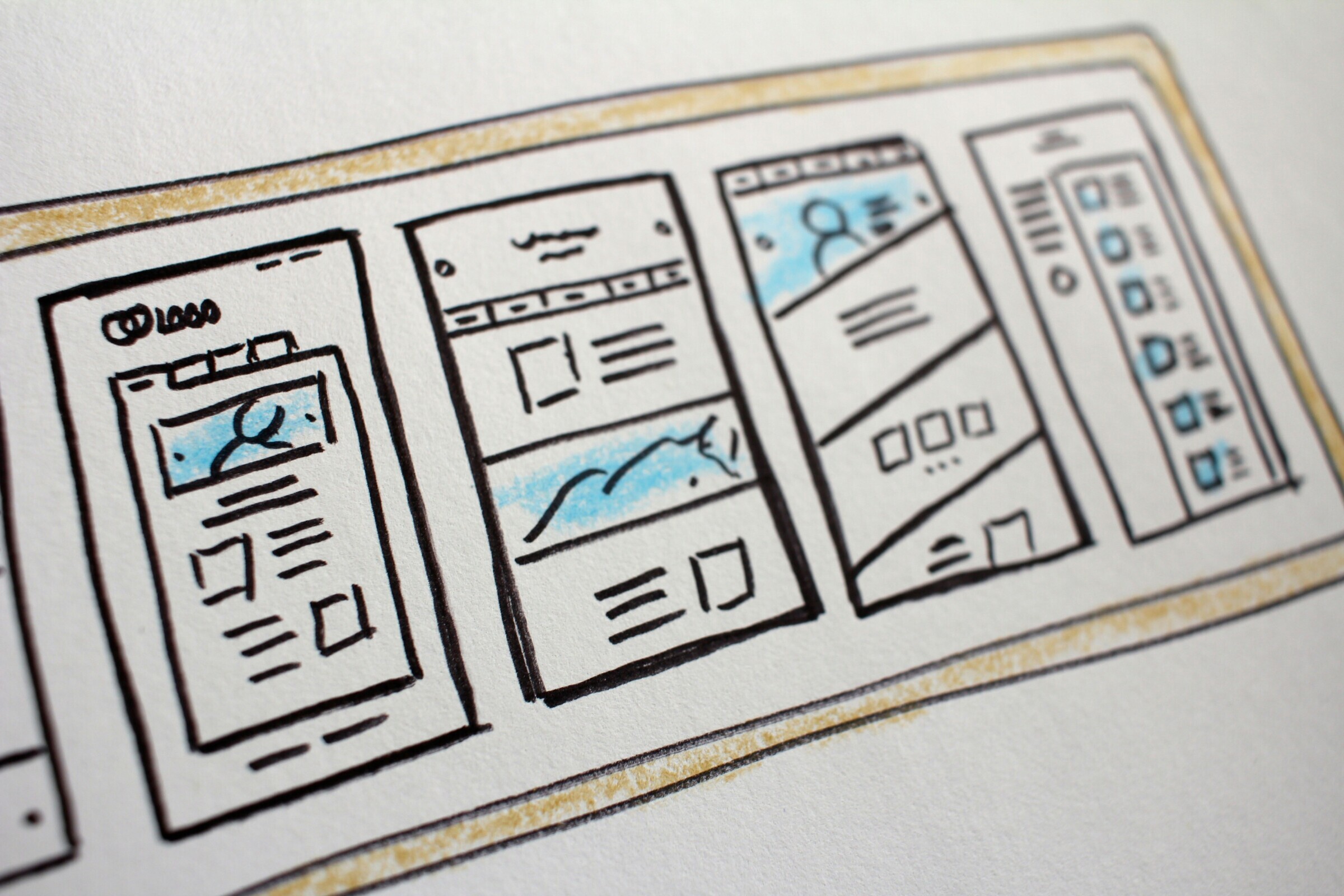
When it comes to making decisions about web hosting and online services, digital nomads face the continuous challenge of evaluating value versus cost. As remote workers and freelancers, the need for reliable and affordable solutions is paramount.
A cheap hosting service might seem like a great option at first glance, but the quality of service, uptime, and customer support are critical factors that can greatly affect your online presence. Understanding what features you truly need can help you avoid overspending on unnecessary services or, conversely, underinvesting in essential tools that support your work.
In the realm of website builders and cloud storage options, the choices can be overwhelming. While some platforms offer low-cost entry points, they may lack the flexibility and functionality that a traveling freelancer requires. Evaluating the long-term value of these services means looking beyond the initial price tag.
For instance, investing in a more robust cloud storage solution could save you time and headaches in the future, especially when accessing large files on the go. Digital nomads should seek platforms that provide scalability, ensuring they can adjust their plans as their business grows.
SEO strategies are another crucial area where the balance of cost and value comes into play. Many tools advertise themselves as affordable, but the effectiveness of their features should be a focal point of evaluation.
A nominal fee for a keyword research tool may lead to substantial gains in traffic when used correctly. Therefore, it’s essential to assess not only the cost but also the potential return on investment that these tools can provide in terms of visibility and engagement for your content.
Social media management tools are particularly beneficial for location-independent entrepreneurs, enabling them to maintain a consistent online presence without the need for constant oversight.
However, the cost can vary widely among these tools, which is why it’s important to analyze what features you actually need versus what is being offered. Sometimes, opting for a mid-range option that includes scheduling, analytics, and engagement tools can provide more value than selecting a free tool that lacks essential features.
Lastly, as digital nomads consider e-commerce platforms and online payment processing solutions, understanding the long-term implications of their choices becomes even more crucial. The fees associated with these services can accumulate over time, potentially eating into profits.
By evaluating both the direct costs and the additional features offered—such as security through a VPN or integration with a content management system—freelancers can make informed decisions that enhance their online business while remaining budget-conscious.

Chapter 3: SEO Strategies for Digital Nomads
Basics of SEO
Search Engine Optimization (SEO) is an essential strategy for digital nomads and remote workers looking to enhance their online presence. Understanding the basics of SEO can help freelancers and content creators attract more visitors to their websites, ultimately leading to higher engagement and potential revenue streams.
By optimizing website content for search engines, nomads can ensure that their services or products are easily discoverable by their target audience, no matter where they are in the world.
One of the foundational elements of SEO is keyword research. Identifying the right keywords that potential clients might use to search for services is crucial. Digital nomads should focus on long-tail keywords that reflect their unique offerings and location-independent lifestyle.
Tools like Google Keyword Planner can assist in discovering relevant keywords that not only drive traffic but also connect with the audience’s specific needs and interests.
On-page SEO is another key aspect that digital nomads must master. This includes optimizing website elements such as titles, meta descriptions, and headers to ensure they align with the chosen keywords.
Additionally, providing high-quality, engaging content that answers the audience’s questions can significantly improve the site’s search engine ranking. By prioritizing user experience and content relevance, nomads can create a compelling online presence that resonates with visitors.
Off-page SEO, which involves building backlinks and social signals, is equally important. For remote workers, engaging with communities on social media platforms can enhance brand visibility and credibility.
Collaborating with other influencers or guest posting on relevant blogs can also generate valuable backlinks, which search engines use to assess site authority. This strategy is particularly useful for digital nomads who want to establish themselves in competitive niches.
Lastly, keeping up with SEO trends is vital for ongoing success. Search engine algorithms are constantly evolving, and staying informed about the latest updates can help freelancers adapt their strategies accordingly.
By investing time in learning about SEO best practices, digital nomads can not only enhance their visibility but also build a sustainable online business that thrives in the ever-changing digital landscape.

Keyword Research Tools
Keyword research tools are essential for digital nomads who aim to enhance their online presence and attract the right audience. These tools help freelancers and content creators identify high-traffic keywords relevant to their niches, ensuring that their content ranks well in search engines.
By understanding what potential clients and customers are searching for, remote workers can tailor their offerings to meet market demands effectively.
One of the most popular keyword research tools is Google Keyword Planner, which provides insights into search volumes and competition levels for various keywords. This free tool can be particularly useful for digital nomads who are just starting and may not have the budget for premium services.
In addition to Google’s tool, platforms like SEMrush and Ahrefs offer more advanced features, allowing users to analyze competitors and discover keyword opportunities that have a high potential for conversion.
For those focused on e-commerce, keyword research tools can also help identify trending products and services. Tools like Ubersuggest and AnswerThePublic are excellent for uncovering long-tail keywords that can drive targeted traffic to online stores. By leveraging these insights, digital nomads can create content that resonates with their audience, ultimately leading to increased sales and brand loyalty.
Social media management tools, such as Hootsuite and Buffer, can also benefit from keyword research. By understanding the keywords relevant to a target audience, remote workers can craft compelling posts that encourage engagement. This is especially important for influencers and content creators looking to grow their following and establish themselves as authorities in their respective niches.
In summary, utilizing keyword research tools is crucial for digital nomads aiming to build a successful online presence. By identifying relevant keywords, freelancers can enhance their SEO strategies, develop content that attracts their target audience, and ultimately achieve their business goals. These insights are not only valuable for website optimization but also for creating engaging social media content that connects with followers.
Content Optimization Techniques
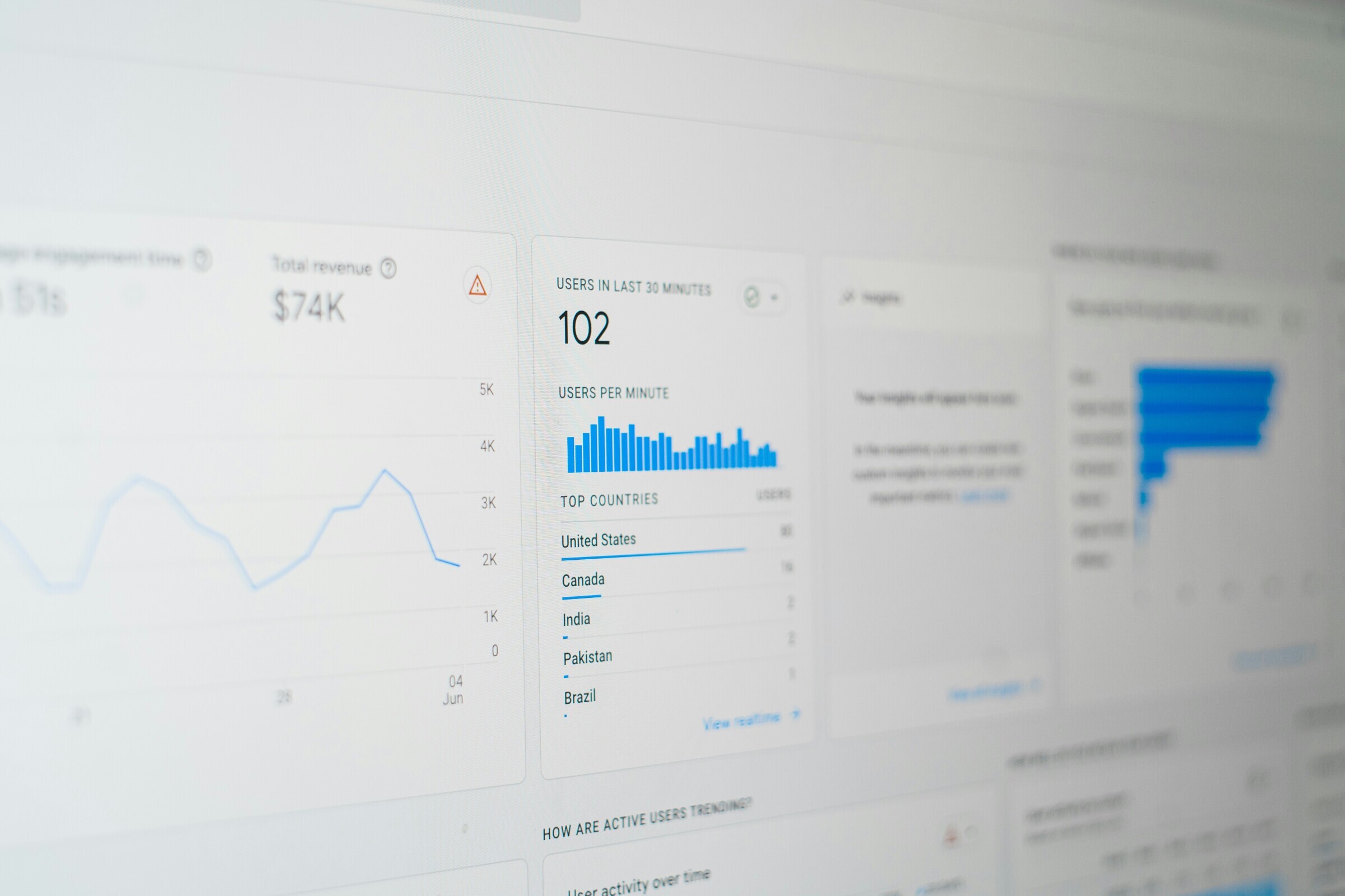
Content optimization is crucial for digital nomads looking to make the most of their online presence. It involves fine-tuning various aspects of web content to enhance visibility and engagement.
For freelancers and remote workers, implementing effective content strategies can attract clients and build a loyal audience. Understanding the unique challenges faced by location-independent entrepreneurs can help tailor these techniques to better suit their needs.
One of the fundamental techniques for content optimization is SEO, or search engine optimization. For digital nomads, utilizing relevant keywords that align with their niche is essential.
This means researching and integrating terms that potential clients might use to find services online. Moreover, optimizing meta tags, descriptions, and images can significantly boost search rankings and increase the likelihood of attracting organic traffic.
Another key aspect is the use of website builders that facilitate mobile optimization. As many digital nomads operate from various locations, their websites must be responsive and user-friendly on all devices.
Platforms that offer templates specifically designed for mobile use can streamline this process. Additionally, these builders often include SEO tools that simplify the optimization of content, making it easier for freelancers to focus on their work rather than technical details.
Social media management tools also play a vital role in content optimization. For location-independent entrepreneurs, maintaining an active and engaging social media presence is essential for brand visibility.
Tools that allow scheduling and analytics can help manage multiple platforms efficiently. By sharing optimized content across social channels, freelancers can drive traffic back to their websites, further enhancing their online presence and reach.
Lastly, cloud storage options can support content optimization by providing seamless access to files from anywhere. Remote workers often need to collaborate on content in real-time, and platforms that offer shared access and editing capabilities can improve workflow.
By leveraging these tools, digital nomads can ensure that their content is not only optimized for search engines but also easily accessible and shareable, fostering a more effective online strategy.

Chapter 4: Website Builders Tailored for Travelers
Comparing Popular Website Builders
In the digital age, selecting the right website builder is crucial for freelancers and digital nomads who aim to establish an online presence while on the move. Each website builder offers unique features tailored to different needs, making it essential to compare options before making a commitment.
Popular choices such as Wix, Squarespace, and Weebly provide user-friendly interfaces and customizable templates, enabling users to create visually appealing websites without needing extensive coding skills. The ease of use and accessibility from various locations make these platforms particularly attractive for those who travel frequently.
Wix stands out with its drag-and-drop functionality, making it ideal for individuals who want complete creative control over their site’s design. This flexibility allows digital nomads to showcase their portfolios or blogs in a manner that reflects their personal brand.
However, while Wix offers a plethora of design options, users may find its SEO capabilities somewhat limited compared to other builders. For those focused on search engine optimization, this might be a deciding factor.
Squarespace, on the other hand, is renowned for its stunning, professionally designed templates that cater well to creative professionals. Its robust built-in SEO features provide users with tools to optimize their content effectively, which is an essential aspect for freelancers looking to attract clients.
The platform’s all-in-one approach, combining hosting and website building, simplifies the process for those who prefer a streamlined solution. This can be particularly beneficial for digital nomads who wish to minimize their workload while ensuring their website remains functional and appealing.
Weebly offers a different approach, focusing on e-commerce capabilities that can be advantageous for digital entrepreneurs. With integrated online payment processing and inventory management, Weebly allows users to set up online stores quickly.
This feature is especially useful for nomadic freelancers who wish to sell products or services while traveling. However, the trade-off may come in terms of design flexibility, as Weebly’s templates are less customizable compared to Wix and Squarespace.
Ultimately, choosing the right website builder boils down to personal preferences and specific needs. Digital nomads should consider factors such as ease of use, design flexibility, SEO capabilities, and e-commerce functionalities when making their choice. By carefully comparing these popular website builders, freelancers can find the best solution to effectively manage their online presence, regardless of their location.

Features to Look for in a Website Builder
When selecting a website builder, the first feature to consider is user-friendliness. A website builder that is intuitive and easy to navigate will save time and reduce frustration, especially for digital nomads who may not have extensive technical skills.
Look for drag-and-drop interfaces, straightforward templates, and guided tutorials to help streamline the website creation process. This ensures that you can focus on content rather than getting bogged down by complex coding or design issues.
Another important feature is mobile responsiveness. Since many digital nomads work on the go, it’s crucial that your website looks great and functions well on mobile devices. A builder that offers mobile-friendly templates will ensure that your site adapts seamlessly to different screen sizes. This not only enhances the user experience but also positively impacts your SEO ranking, making your site more visible to potential clients and followers.
SEO capabilities are also vital when choosing a website builder. Look for features that allow you to optimize your site for search engines, such as customizable meta tags, alt text for images, and built-in analytics tools.
These functionalities will help you attract more traffic to your site, which is essential for freelancers and content creators looking to grow their online presence and client base.
Additionally, consider the e-commerce options available within the website builder. For digital nomads looking to sell products or services online, having a robust e-commerce platform is essential. Features like secure payment processing, inventory management, and customizable product pages will enable you to run your online business effectively, no matter where you are in the world.
Lastly, assess the support and resources provided by the builder. Access to customer support, community forums, and extensive documentation can make a significant difference, especially for those who may encounter issues while traveling.
Reliable support ensures that you can resolve problems quickly, minimizing downtime and keeping your online presence strong.

User Experience on Mobile Devices
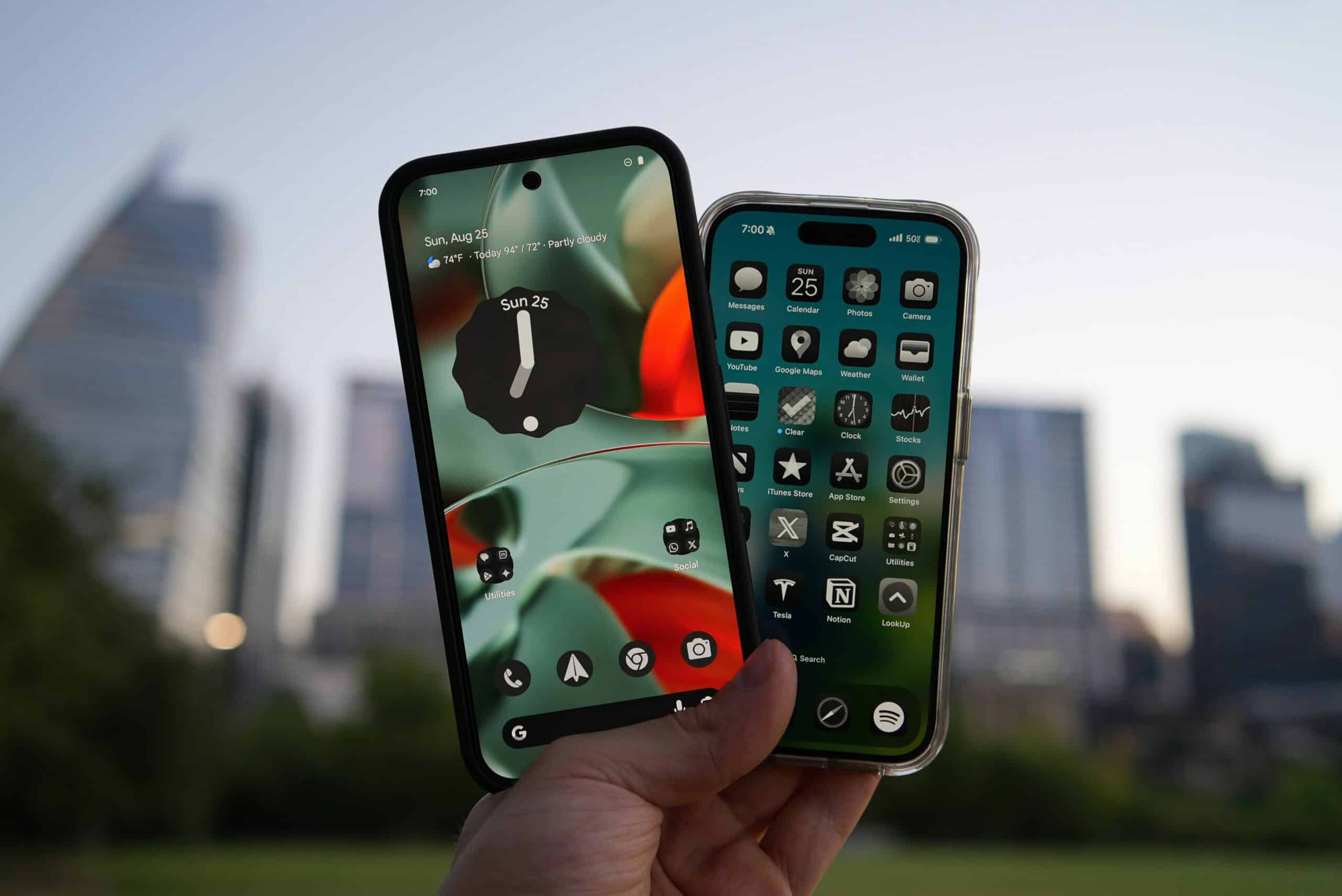
In today’s digitally driven world, user experience (UX) on mobile devices is paramount, especially for digital nomads who rely heavily on their smartphones and tablets. With the increasing reliance on mobile technology, it is essential to design websites and applications that cater specifically to the needs of users on the go.
This means optimizing for speed, ease of navigation, and mobile-friendly layouts that make accessing information effortless, whether in a café in Paris or a beach in Bali.
Mobile UX design must prioritize responsive layouts that adapt seamlessly to different screen sizes. For remote workers and content creators, this adaptability is crucial as they often switch between devices.
A well-optimized mobile website should load quickly and present content in a digestible format, ensuring that users can find what they need without frustration. This is particularly significant for freelancers who may need to showcase their portfolios or manage client communications from anywhere in the world.
The integration of cloud storage options also enhances the user experience on mobile devices, providing remote workers with the flexibility to access their files regardless of location. For instance, using reliable cloud services allows digital nomads to collaborate in real-time, share documents, and keep their work organized. This not only boosts productivity but also mitigates the risk of losing important data, which can be a significant concern for those constantly on the move.
In addition to storage solutions, the right social media management tools can streamline the workflow for influencers and entrepreneurs. Mobile applications designed for managing social media accounts allow users to schedule posts, analyze traffic, and engage with their audience, all from their mobile devices.
This level of accessibility is vital for maintaining an active online presence while traveling, as it enables users to manage their brand without being tied to a desktop.
Finally, security cannot be overlooked in the realm of mobile UX. For digital nomads, utilizing Virtual Private Networks (VPNs) ensures that their online activities remain private and secure, especially when using public Wi-Fi networks.
By incorporating easy-to-use VPN applications into their mobile devices, freelancers can protect sensitive information while maintaining a smooth user experience. Ultimately, addressing these aspects of mobile user experience is essential for anyone looking to thrive as a digital nomad in today’s interconnected world.
Visit our Digital Nomad Shop->
Chapter 5: Cloud Storage Options for Remote Workers
Benefits of Cloud Storage
Cloud storage has revolutionized the way digital nomads and remote workers manage their data. By leveraging the power of the cloud, freelancers can access their files from anywhere in the world, eliminating the need for physical storage devices.
This accessibility is crucial for those who travel frequently, as it allows them to work seamlessly from different locations without the fear of losing important documents or files.
Another significant benefit of cloud storage is its cost-effectiveness. Many cloud storage solutions offer flexible pricing plans, which suit the budget of solopreneurs and content creators.
Instead of investing in expensive hardware or software, freelancers can choose a subscription model that scales with their needs, making it an affordable option for those just starting out or those with fluctuating workloads.
Security is a paramount concern for digital nomads, and cloud storage services often provide advanced security features that protect sensitive data. With end-to-end encryption and secure access protocols, users can have peace of mind knowing their information is safe from unauthorized access. This is especially important for freelancers handling client data or proprietary content.
Collaboration tools integrated with cloud storage solutions enhance productivity for teams that may be scattered across various locations. Features such as real-time editing, file sharing, and version control enable freelancers and remote workers to collaborate effectively with clients or teammates, regardless of their geographical location.
This fosters a sense of community and teamwork, which is essential for maintaining productivity in a remote work environment.
Finally, the scalability of cloud storage solutions allows users to adjust their storage needs as their business grows. Whether a freelancer requires more space for large projects or wants to streamline their workflow, cloud services provide the flexibility to upgrade or downgrade storage plans easily. This adaptability makes cloud storage an ideal choice for digital nomads who need to stay agile in their ever-changing work environments.

Comparing Cloud Storage Providers
Choosing the right cloud storage provider is crucial for digital nomads and freelancers who rely on seamless access to their files while on the move. With numerous options available, it’s essential to evaluate each provider based on factors like storage capacity, pricing, and ease of use.
By understanding the strengths and weaknesses of each service, you can make an informed decision that aligns with your unique needs as a remote worker.
One of the leading cloud storage providers is Google Drive, known for its integration with various Google services and generous free storage. It offers a user-friendly interface and collaborative features that are ideal for content creators and influencers who often work on shared documents. However, privacy concerns regarding data usage can be a downside for those prioritizing security in their remote work.
Dropbox is another popular choice, particularly favored by web developers and solopreneurs for its powerful file synchronization capabilities. Its ability to recover deleted files and manage large file transfers makes it a reliable option.
Nonetheless, its free storage is limited compared to competitors, which may not suit those with extensive storage needs without incurring higher costs.
Microsoft OneDrive also deserves mention, especially for users already utilizing Microsoft Office tools. Its seamless integration with these applications enhances productivity for freelancers and remote workers.
However, like Google Drive, it may raise concerns regarding data privacy, making it essential for users to weigh these factors against their storage demands and collaboration requirements.
Ultimately, selecting the appropriate cloud storage provider hinges on understanding your specific use case and preferences. By comparing features and pricing of various options, digital nomads can find the right balance between affordability and functionality. This strategic choice can significantly enhance your online presence and streamline your workflow, allowing you to focus on what truly matters: your work and creativity.
Security Considerations for Cloud Storage

As digital nomads and remote workers increasingly rely on cloud storage solutions, it is crucial to understand the security considerations that come with these services. Cloud storage offers convenience and accessibility, but it also introduces vulnerabilities that can jeopardize sensitive data.
Ensuring that your data remains secure while using cloud storage requires awareness of potential threats and proactive measures to mitigate risks.
One of the primary concerns with cloud storage is data breaches. Cybercriminals often target cloud services because they hold vast amounts of personal and financial information. To protect your data, it is essential to choose a cloud provider that implements strong encryption practices both during data transmission and at rest. Additionally, consider utilizing two-factor authentication to add an extra layer of security to your accounts.
Another important aspect of cloud storage security is understanding the shared responsibility model. While cloud providers offer security measures, users must also take steps to safeguard their data.
This includes regularly updating passwords, monitoring account access, and being cautious about sharing sensitive files. Implementing a robust security policy can help ensure that you do not inadvertently expose your data to unauthorized access.
Using a Virtual Private Network (VPN) can enhance your cloud storage security, especially when accessing your files on public Wi-Fi networks. A VPN encrypts your internet connection, making it more difficult for hackers to intercept your data.
This is particularly important for digital nomads who often work from cafes, co-working spaces, and other locations with unsecured networks. Always prioritize using a VPN when connecting to cloud storage services on public Wi-Fi.
Lastly, it is essential to keep backup copies of your data outside of the cloud. While cloud storage is convenient, it is not infallible. Hardware failures, accidental deletions, and service outages can lead to data loss. Regularly backing up your files to an external hard drive or another secure location ensures that you have access to your data even if something goes wrong with your cloud storage provider.

Chapter 6: Social Media Management Tools
Importance of Social Media for Freelancers
Social media has become an essential tool for freelancers in today’s digital landscape, providing a platform for showcasing their work and connecting with potential clients.
For digital nomads, having a strong online presence on social media can lead to more opportunities, whether it’s finding new projects, collaborating with other creatives, or establishing a personal brand that resonates with a global audience. By actively engaging with their followers, freelancers can build trust and establish credibility, which is crucial for attracting clients in a competitive market.
Moreover, social media platforms offer freelancers a way to market their services without the need for a significant advertising budget. Utilizing platforms like Instagram, LinkedIn, and Twitter can help freelancers reach their target audience directly through organic content and strategic networking.
This is especially beneficial for solopreneurs and content creators who rely on word-of-mouth referrals and community engagement to grow their business. The right social media strategies can amplify their visibility and lead to sustainable growth.
Additionally, social media provides valuable feedback and insights into what clients and audiences are looking for. By monitoring engagement metrics and audience interactions, freelancers can adapt their offerings and improve their services accordingly.
This data-driven approach enables them to stay ahead of trends and better meet the needs of their clients. For remote workers, understanding the preferences of their audience can inform everything from content creation to service delivery.
Social media also fosters a sense of community among freelancers, allowing them to share experiences, tips, and resources with one another. This camaraderie can be particularly important for digital nomads who may feel isolated while traveling.
Online communities can offer support, advice, and collaboration opportunities that enhance both personal and professional growth. By participating in these networks, freelancers can not only learn from others but also contribute their own knowledge and experience.
Finally, leveraging social media effectively can lead to higher conversion rates for freelancers, turning followers into clients. By showcasing their portfolios, sharing testimonials, and engaging with their audience, freelancers can create a compelling narrative around their brand.
This storytelling aspect is crucial for e-commerce platforms and service-based businesses alike, as it helps to humanize their brand and build lasting relationships with clients. In essence, social media is not just a tool; it is a cornerstone of a successful freelance career in the modern world.

Overview of Top Management Tools
In the rapidly evolving landscape of digital nomadism, having the right management tools can significantly enhance productivity and streamline operations. Top management tools encompass a range of applications designed to help remote workers and freelancers manage their projects, collaborate with teams, and maintain an efficient workflow. This overview delves into some of the best tools available, highlighting features that cater specifically to the needs of location-independent professionals.
One of the primary categories of management tools includes project management software. These platforms, such as Trello, Asana, and ClickUp, offer features like task assignments, deadline tracking, and progress monitoring.
They allow digital nomads to organize their work visually, ensuring that tasks are prioritized and completed in a timely manner. Additionally, integrations with other tools make it easier to connect various workflows, which is essential for freelancers juggling multiple clients.
Communication tools also play a critical role in the toolkit of a digital nomad. Platforms like Slack and Microsoft Teams facilitate real-time communication, making it easier to collaborate regardless of geographical barriers. These tools often include features such as file sharing, video conferencing, and chat channels, enabling seamless interaction between team members and clients. By leveraging these communication solutions, remote workers can maintain strong connections with their clients and collaborators, fostering a sense of community even when working from afar.
For managing online presence, content management systems (CMS) like WordPress and Wix are indispensable. These platforms allow freelancers and entrepreneurs to build and maintain their websites with ease, offering customizable templates and plugins that cater to various niches.
SEO tools integrated within these CMS help enhance visibility in search engines, which is vital for attracting clients and customers. Furthermore, mobile-friendly designs ensure that websites are accessible on-the-go, aligning with the lifestyle of a digital nomad.
Finally, financial management tools such as FreshBooks and PayPal are essential for handling invoices and payments. These platforms provide user-friendly interfaces that simplify the billing process, allowing freelancers to focus more on their work rather than administrative tasks.
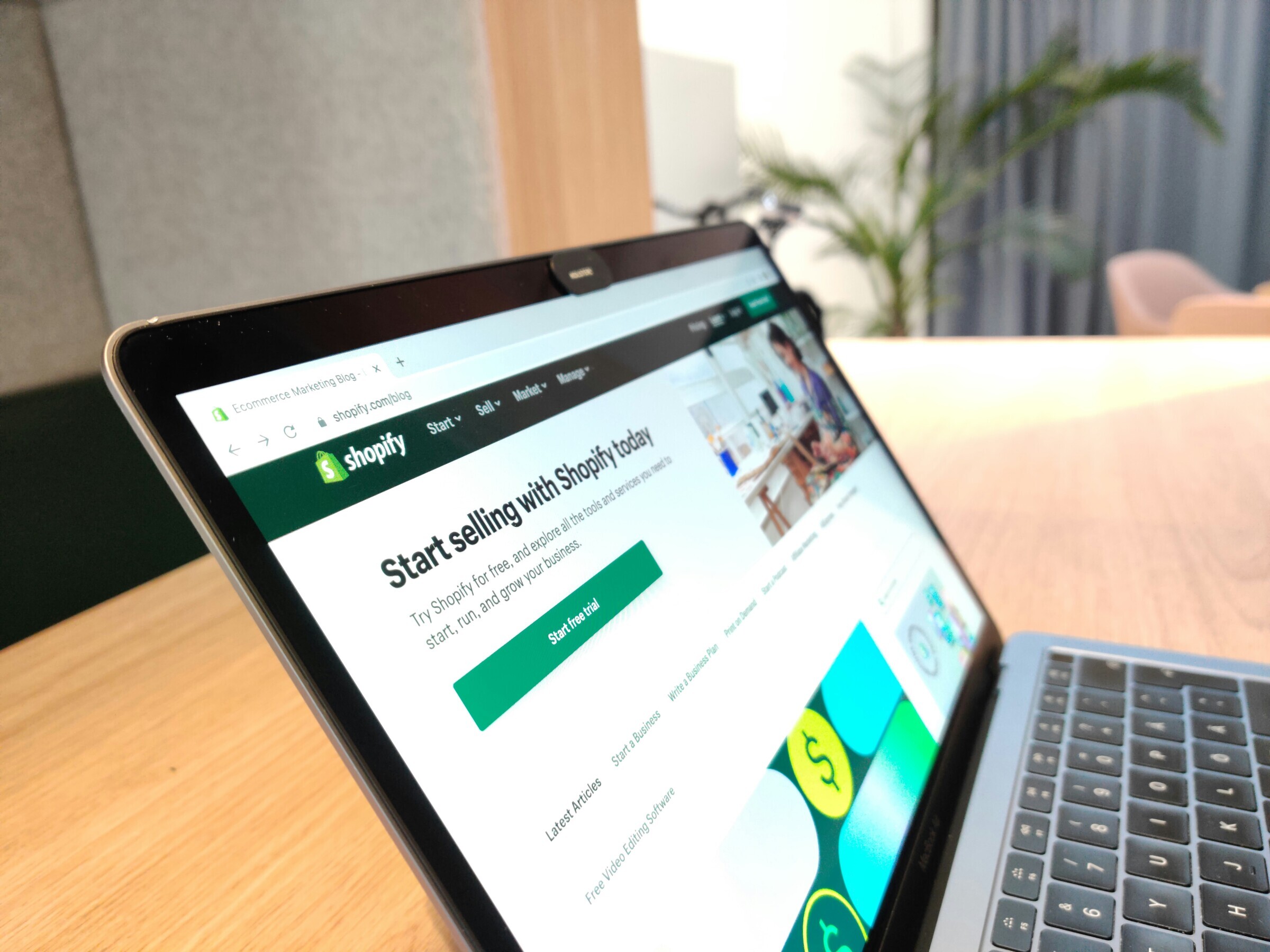
Additionally, e-commerce solutions like Shopify enable digital nomads to set up online stores, ensuring seamless transactions for their products or services. By utilizing these top management tools, digital nomads can enhance their efficiency, allowing them to thrive in their dynamic and flexible work environments.
Scheduling and Content Planning
For digital nomads and remote workers, scheduling and content planning are essential components of maintaining a successful online presence. With the freedom to work from anywhere comes the challenge of managing time effectively.
Establishing a consistent schedule can help freelancers balance their work commitments while also allowing time for exploration and relaxation. By setting clear deadlines and allocating specific time blocks for content creation, nomads can ensure they remain productive without sacrificing their travel experiences.
Content planning is equally important for maintaining engagement with audiences. Digital nomads must consider their unique lifestyle when developing content strategies. This might involve creating a content calendar that reflects their travel itinerary, ensuring that posts are timely and relevant.
Utilizing tools like social media management platforms can help streamline this process, allowing for scheduling posts in advance and keeping the audience engaged even while on the move.
Incorporating SEO strategies into content planning is another critical aspect for freelancers looking to enhance their online visibility. By conducting keyword research and optimizing content for search engines, digital nomads can attract more visitors to their websites. Content should be crafted with the target audience in mind, ensuring that it resonates with potential clients or followers. This strategic approach not only improves search rankings but also builds a strong brand presence across various online platforms.
For those engaged in e-commerce or offering services online, understanding the best times to launch products or campaigns can make a significant difference. Analyzing audience insights and engagement metrics helps in determining optimal timing for content release.
Additionally, integrating virtual private networks (VPNs) into the workflow can ensure secure access to sensitive information when working in different locations, further enhancing the reliability of online operations.
Ultimately, effective scheduling and content planning empower digital nomads to thrive in their businesses while embracing the freedom of their lifestyle. By leveraging technology and adopting a proactive approach to time management, freelancers can create a harmonious balance between work and travel. This not only leads to increased productivity but also fosters a sustainable way of life that aligns with their passions and professional aspirations.
Chapter 7: E-commerce Platforms for Digital Nomads
Choosing the Right E-commerce Solution
Choosing the right e-commerce solution is crucial for digital nomads and freelancers looking to establish a strong online presence. With a myriad of options available, it’s essential to consider factors such as ease of use, scalability, and cost. Many platforms offer comprehensive features that cater specifically to the needs of remote workers, including built-in payment processing and mobile-friendly designs that allow for seamless management from anywhere in the world.
When evaluating e-commerce platforms, pay attention to the level of customization they provide. As a content creator or solopreneur, having the ability to tailor your online store to reflect your brand is vital. Solutions like Shopify or WooCommerce offer various templates and plugins that can help you create a unique shopping experience that resonates with your audience, while still being user-friendly for those who may not have extensive technical skills.
Security is another critical aspect to consider when choosing an e-commerce solution. Digital nomads often work from various locations, which can expose them to security risks. Opting for platforms that offer robust security features, such as SSL certificates and secure payment gateways, is essential to protect both your business and your customers. Additionally, utilizing a virtual private network (VPN) can enhance your online security when accessing sensitive information in public Wi-Fi settings.
Furthermore, think about the integration capabilities of the e-commerce solution. As a traveling freelancer, you may rely on various tools for social media management, SEO strategies, and cloud storage. Choosing a platform that can seamlessly integrate with these tools will streamline your workflow and allow you to focus more on growing your business rather than juggling multiple systems. Look for solutions that offer API access or have a marketplace for third-party integrations to enhance your store’s functionality.
Finally, consider the support and resources available from the e-commerce platform. As a digital nomad, having access to reliable customer support can make a significant difference, especially when you’re on the go. Look for platforms that provide extensive documentation, community forums, and responsive customer service to ensure you can resolve any issues quickly and efficiently. By carefully evaluating these factors, you can choose the right e-commerce solution that meets your needs as a nomadic entrepreneur.
Payment Processing Options
For digital nomads and remote workers, having reliable payment processing options is essential for managing income while on the go. With various methods available, freelancers can choose the one that best suits their needs, whether they are providing services to clients or selling products online. Understanding these options can help ensure smooth transactions and maintain professional relationships, regardless of one’s physical location.
Online payment platforms like PayPal, Stripe, and Square are popular among digital entrepreneurs. These services offer user-friendly interfaces and robust security measures, making them ideal for freelancers who need quick and easy payment solutions. Additionally, they allow for international transactions, which is a crucial feature for those who travel frequently and work with clients around the world.
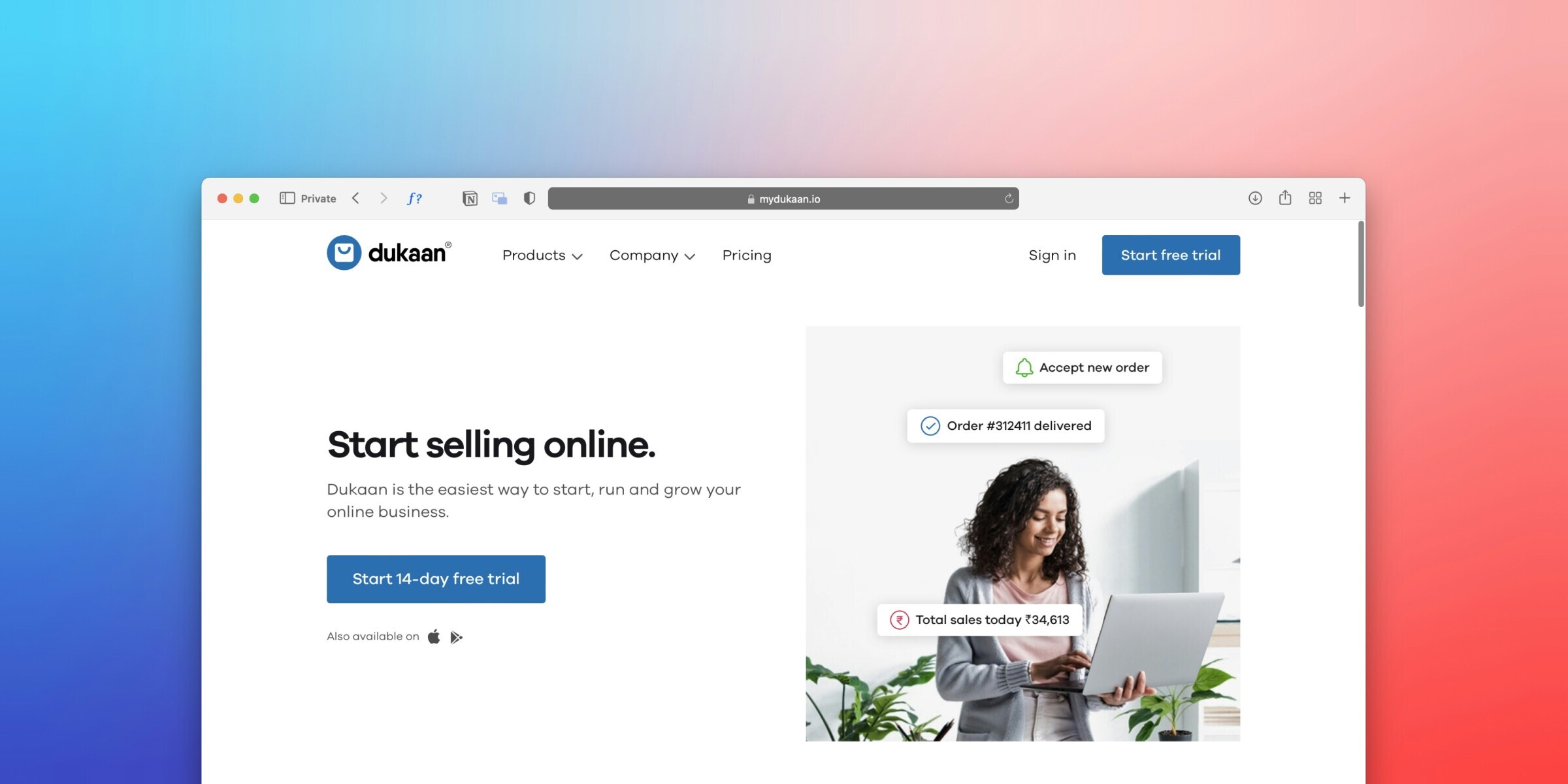
For e-commerce ventures, integrating payment gateways into online stores is critical. Platforms like Shopify and WooCommerce offer seamless payment processing features that support various methods, including credit cards and digital wallets. This flexibility not only enhances customer experience but also ensures that freelancers can efficiently manage their sales and revenue from anywhere.
Cryptocurrency is also gaining traction as a payment option among digital nomads. With the rise of Bitcoin, Ethereum, and other cryptocurrencies, freelancers can receive payments in a decentralized manner, free from traditional banking system constraints. This can be particularly advantageous for those operating in countries with unstable currencies or restrictive banking regulations.
Lastly, understanding transaction fees and currency conversion costs is vital for freelancers who work internationally. By choosing the right payment processing solution, digital nomads can minimize expenses and maximize their earnings. An informed decision regarding payment methods will allow remote workers to focus more on their projects and less on financial logistics, contributing to a more productive and fulfilling nomadic lifestyle.
Visit our Digital Nomad Shop->
Marketing Your Online Store
Marketing your online store is essential for attracting customers and driving sales, especially in a competitive digital landscape. For digital nomads and remote workers, leveraging online platforms is vital to reach a global audience.
Start by identifying your target customer base and tailoring your marketing strategies to their preferences. Understanding the demographics and interests of your audience will help you create compelling content that resonates with them.
Utilizing social media management tools can significantly enhance your marketing efforts. Platforms like Instagram, Facebook, and Pinterest offer unique ways to showcase your products and engage with potential customers. Create visually appealing posts and stories that highlight your products and share relatable content that reflects the nomadic lifestyle. Consistency in posting and interacting with your audience will build brand loyalty over time.
Search engine optimization (SEO) is another critical aspect of marketing your online store. Implementing effective SEO strategies will improve your website’s visibility in search engine results.
Focus on using relevant keywords, optimizing product descriptions, and creating quality content that aligns with your niche. This will not only drive organic traffic to your site but also establish your authority in the web hosting and online presence space for digital nomads.
Consider using e-commerce platforms that cater specifically to digital nomads and freelancers. These platforms often provide user-friendly interfaces, mobile optimization, and integrated payment processing, making it easier for you to manage your online store while on the go. Additionally, explore branding and design services that can help create a professional and attractive online presence that stands out in the crowded market.
Lastly, ensure that your online store is secure by utilizing virtual private networks (VPNs) and cloud storage options. As a traveling freelancer, protecting your data and online transactions is crucial. By establishing a secure online environment, you not only safeguard your business but also instill confidence in your customers, encouraging them to shop with you. Overall, a combination of social media engagement, SEO strategies, and secure online practices will set the foundation for successful marketing of your online store.

Chapter 8: Virtual Private Networks (VPNs) for Online Security
Importance of VPNs for Digital Nomads
In the ever-evolving landscape of digital nomadism, VPNs (Virtual Private Networks) have emerged as an essential tool for online security and privacy. For freelancers, remote workers, and influencers who often connect to public Wi-Fi networks in cafes, airports, or co-working spaces, the risk of cyber threats is significantly heightened.
A VPN creates a secure tunnel for internet traffic, encrypting sensitive data and ensuring that personal information remains protected against potential breaches. This is particularly crucial for digital nomads who depend on stable and secure internet connections to manage their work and maintain their online presence.
Moreover, VPNs enable digital nomads to bypass geographical restrictions on content and services, thus enhancing their online experience. Many platforms and websites impose regional limitations that can hinder access to essential tools and resources.
By masking the user’s IP address and allowing them to appear as if they are browsing from a different location, a VPN grants access to otherwise unavailable content. This feature is invaluable for individuals who require specific software or platforms that may not be accessible in certain countries, ensuring seamless workflow and productivity.
Another significant advantage of using a VPN is the added layer of anonymity it provides. For content creators and solopreneurs, maintaining privacy is critical, especially when engaging with sensitive client information or proprietary business data.
A VPN not only hides the user’s online activities but also protects them from unwanted surveillance and data collection by ISPs and third parties. This level of protection fosters a safe environment for creativity and innovation, allowing digital nomads to focus on their work without the anxiety of being monitored.
Additionally, VPNs can improve online performance and speed, particularly in regions with slow internet connections. By reducing latency and optimizing data routes, a VPN can enhance the overall internet experience for digital nomads. This is especially important for web developers and e-commerce entrepreneurs who rely on fast and reliable internet connections to manage websites, process transactions, and communicate with clients globally. The ability to work efficiently from virtually anywhere is a key advantage of the nomadic lifestyle, and a VPN plays a vital role in maintaining that efficiency.
In summary, the importance of VPNs for digital nomads cannot be overstated. They not only provide essential security and privacy but also enhance accessibility and performance in a world where connectivity is paramount. As digital nomadism continues to grow, equipping oneself with the right tools, such as a reliable VPN, will ensure a safer and more productive journey in the realm of remote work. Investing in a VPN is not just a precaution; it is a fundamental step toward achieving long-term success in the ever-connected digital landscape.
How to Choose a Reliable VPN
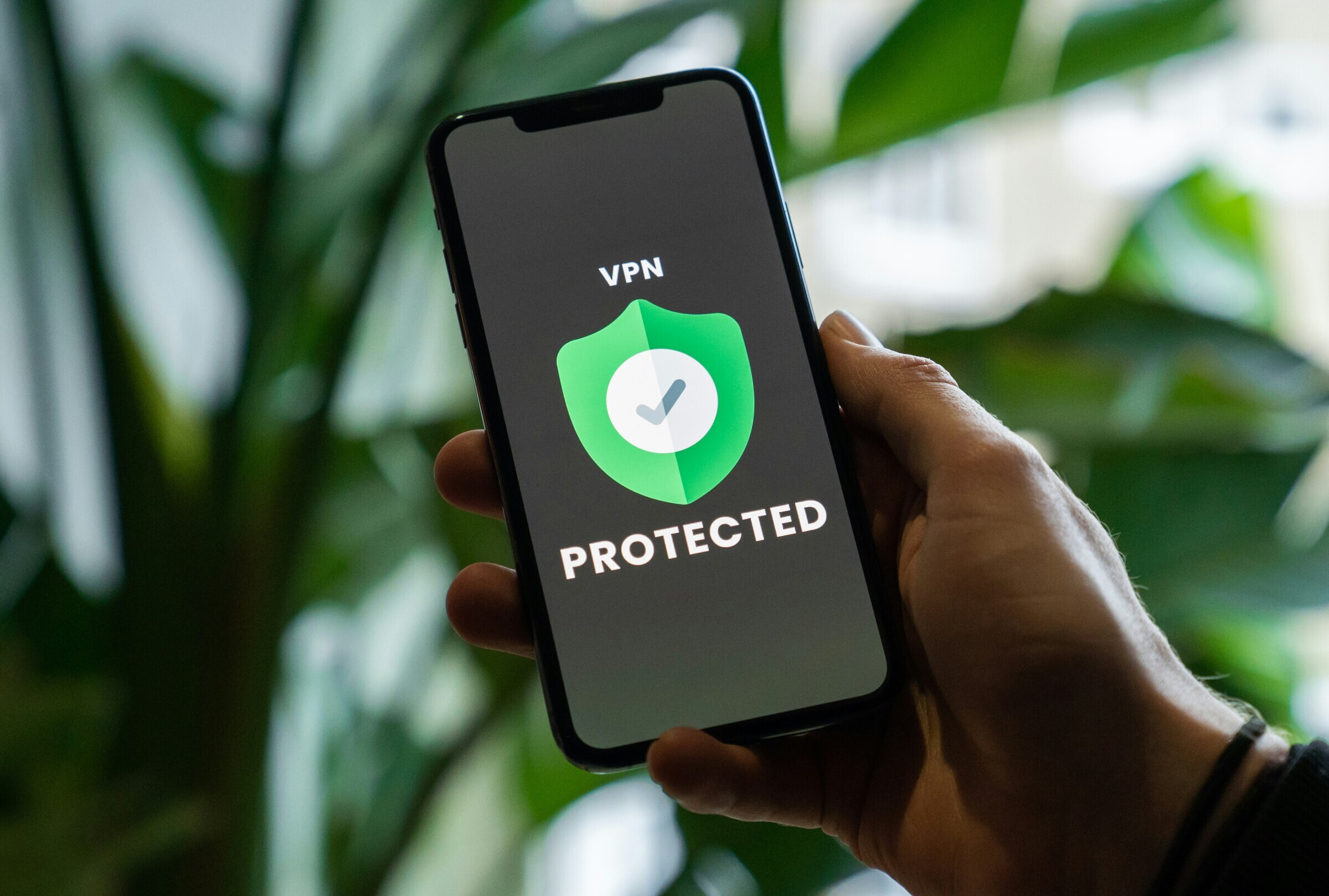
Choosing a reliable VPN is essential for digital nomads who need to protect their online presence while traveling. With various options available, it’s crucial to consider factors like security protocols, speed, and the number of servers. A good VPN will encrypt your data, making it nearly impossible for hackers to intercept your sensitive information while using public Wi-Fi networks in cafes or airports.
Another important aspect is the VPN’s compatibility with your devices. Ensure that the service supports multiple platforms, including Windows, macOS, iOS, and Android. This way, you can secure all your devices, from laptops to smartphones, ensuring that your work remains safe regardless of where you are. Additionally, check if the VPN allows multiple connections so you can protect your team’s devices as well.
Customer reviews and performance tests can provide valuable insight into a VPN’s reliability. Look for reviews from other digital nomads or freelancers who have similar needs to yours. Performance metrics, such as connection speed and uptime, are crucial, as a slow or unreliable VPN can hinder your work and online activities, leading to frustration and lost productivity.
Moreover, consider the pricing and subscription plans offered by the VPN provider. Many services offer flexible plans tailored to different needs, from monthly subscriptions to long-term commitments. A reliable VPN should provide good value for money without compromising on security features. Be wary of free VPNs, as they often come with limitations and potential privacy risks.
Finally, good customer support can make a significant difference when choosing a VPN. Reliable customer service can help you resolve any issues quickly and ensure a smooth experience while using the service. Look for providers that offer 24/7 support through various channels, such as live chat or email, to assist you whenever you encounter problems while on the go.
Using VPNs in Different Countries
In today’s digital landscape, using a VPN has become essential for freelancers and remote workers, particularly when traveling to different countries. VPNs, or Virtual Private Networks, provide a secure connection to the internet, allowing users to access restricted content and protect their online activities from prying eyes.
For digital nomads, this means being able to work remotely without compromising sensitive information, especially when connecting to public Wi-Fi networks in cafes or coworking spaces.
Different countries have varying regulations and restrictions regarding internet access, which can affect freelancers’ ability to use essential tools and platforms. In some regions, popular websites and services may be blocked, posing challenges to productivity.
With a VPN, digital nomads can bypass these restrictions by connecting to servers in countries where their necessary tools are accessible. This flexibility ensures that remote workers can maintain their online presence and continue their work seamlessly, regardless of their location.
Moreover, using a VPN enhances security, especially when dealing with online payment processing or sharing sensitive information. Many digital nomads rely on cloud storage options to manage their work, and a VPN adds an additional layer of protection against data breaches and cyber threats. This is particularly crucial for content creators and influencers who often share their work and personal information online.
While choosing a VPN, it’s important for remote workers to consider factors such as speed, server locations, and customer support. Not all VPNs are created equal, and finding one that caters specifically to the needs of digital nomads can make a significant difference in their productivity. Additionally, understanding the legal implications of using a VPN in specific countries is vital to avoid potential issues while working abroad.
In conclusion, utilizing a VPN while traveling offers numerous benefits for freelancers and digital nomads. It not only helps in accessing blocked content and maintaining security but also supports a more efficient work environment. By incorporating a reliable VPN into their toolkit, remote workers can ensure they stay connected and protected, no matter where their travels take them.

Chapter 9: Content Management Systems Ideal for Mobile Use
Overview of Popular CMS Options
In the ever-evolving landscape of digital presence, choosing the right content management system (CMS) is crucial for digital nomads and remote workers. Popular CMS options like WordPress, Wix, and Squarespace offer a variety of features that cater to the unique needs of freelancers and entrepreneurs on the move.
Each platform provides different functionalities, making it essential to evaluate your specific requirements before making a decision. For instance, WordPress is renowned for its flexibility and extensive plugin ecosystem, while Wix and Squarespace emphasize user-friendliness and beautiful design templates.
WordPress stands out as the most widely used CMS, powering over 40% of websites on the internet. Its open-source nature allows for extensive customization and scalability, making it an ideal choice for digital nomads who may need to expand their online presence as their business grows. Additionally, the large community of developers and designers surrounding WordPress means that help is readily available, whether through forums, tutorials, or professional services. This support system can be invaluable for those who may not have extensive technical skills.
On the other hand, Wix and Squarespace cater to users who prioritize ease of use and aesthetics. These platforms offer drag-and-drop functionality, allowing even the most technologically challenged individuals to create visually stunning websites.
For digital nomads who need to establish a strong online presence quickly, these options can be particularly appealing. Furthermore, both CMS solutions include integrated marketing tools, which can simplify tasks like SEO optimization and social media management, essential for freelancers looking to attract clients while traveling.
Another noteworthy CMS option is Shopify, especially for those in the e-commerce sector. As a robust platform designed specifically for online stores, Shopify provides seamless integration with payment processing and shipping solutions, making it easier for digital nomads to manage their businesses from anywhere in the world. Its mobile-responsive design ensures that entrepreneurs can operate their stores effectively, regardless of their location.
Ultimately, the choice of a CMS will depend on individual needs and preferences. Digital nomads should consider factors such as the type of content they will publish, their technical skills, and the level of customization they require. By understanding the strengths and weaknesses of each CMS option, freelancers can select the best platform to support their mobile lifestyle and enhance their online presence.
Benefits of Mobile-Friendly CMS

In the age of digital nomadism, having a mobile-friendly content management system (CMS) is essential for freelancers and remote workers. A mobile-friendly CMS enables users to create, manage, and update their websites directly from their smartphones or tablets.
This flexibility is particularly beneficial for those who travel frequently and may not always have access to a traditional computer. By ensuring that a website is optimized for mobile use, digital nomads can maintain their online presence effortlessly while on the go.
One significant advantage of a mobile-friendly CMS is its ability to enhance user experience. As more consumers access websites via mobile devices, having a responsive design becomes crucial. A mobile-friendly CMS typically offers templates and tools that automatically adjust to different screen sizes, ensuring that visitors have a seamless browsing experience. This improved user engagement can lead to higher retention rates, which is vital for content creators and influencers seeking to connect with their audiences.
Additionally, search engine optimization (SEO) is greatly impacted by mobile-friendliness. Search engines like Google prioritize mobile-optimized websites in their rankings, meaning that a mobile-friendly CMS can significantly enhance visibility. For digital nomads who rely on organic traffic to drive their business, investing in a mobile-friendly CMS can pay off in terms of attracting more visitors and potential clients.
Moreover, a mobile-friendly CMS often integrates with various tools and plugins that enhance functionality. This includes social media management tools, e-commerce platforms, and online payment processing solutions.
Such integrations simplify operations for remote workers, allowing them to manage multiple aspects of their business from a single platform. This all-in-one approach not only saves time but also minimizes the hassle of juggling various applications while traveling.
Finally, the use of a mobile-friendly CMS can also improve security for digital nomads. Many CMS platforms provide built-in security features and regular updates that protect websites from vulnerabilities. For freelancers working in different locations, having a robust security system is essential, especially when accessing sensitive data over public Wi-Fi. By choosing a mobile-friendly CMS, nomadic entrepreneurs can focus on their work without worrying excessively about online threats.
Customization and Flexibility

Customization and flexibility are essential for digital nomads seeking to establish a robust online presence. As remote workers often navigate various locations with differing internet access and technological infrastructure, having versatile hosting solutions can make a significant difference.
Tailored web hosting services allow freelancers to adjust their resources according to their needs, ensuring optimal performance regardless of their geographical situation. By utilizing customizable plans, nomads can choose the bandwidth, storage, and features that align with their specific projects and business goals.
For content creators and influencers, the ability to customize websites and platforms is vital for personal branding. Many website builders offer templates that can be easily adapted to reflect individual styles or business identities. This flexibility enables digital nomads to create visually appealing sites that resonate with their target audience, enhancing engagement and interaction. Additionally, SEO strategies can be integrated seamlessly, allowing users to modify their content for better visibility on search engines, which is crucial for attracting clients and followers alike.
Cloud storage options present another layer of customization for remote workers. With varying needs for data storage and accessibility, nomads can select from a range of cloud solutions that offer different features such as file sharing, syncing, and backup capabilities.
These services also provide the flexibility to expand storage as businesses grow, ensuring that freelancers are never limited by their technical resources. This adaptability is key for maintaining productivity while on the go, regardless of the device being used.
Social media management tools tailored for location-independent entrepreneurs also highlight the importance of customization. These platforms allow users to schedule posts, analyze engagement, and manage multiple accounts from anywhere in the world. By customizing their social media strategies, digital nomads can effectively connect with their audience and maintain a consistent online presence, even when traveling. This flexibility is essential for building a brand that thrives in various markets and demographics.
Finally, incorporating virtual private networks (VPNs) into the nomadic lifestyle not only enhances online security but also provides customizable browsing experiences. VPNs allow freelancers to access location-specific content and services while ensuring privacy and protection against cyber threats.
This level of control over their online activities is crucial for digital nomads who prioritize safety and security in their work. Overall, the customization and flexibility offered by these tools empower remote workers to design their businesses around their unique lifestyles, making it possible to thrive in an ever-changing environment.
Chapter 10: Branding and Design Services for Nomadic Businesses
Elements of Strong Branding
Strong branding is essential for digital nomads and freelancers who wish to establish a lasting online presence. A cohesive brand identity not only helps in attracting clients but also builds trust and recognition across diverse markets.
For remote workers and content creators, strong branding differentiates them from competitors and conveys their unique value propositions succinctly. By focusing on elements such as logos, color palettes, and typography, digital nomads can create a memorable visual identity that resonates with their target audience.
Consistency is a key element of strong branding that can significantly impact how a brand is perceived. For freelancers and solopreneurs working across various platforms, maintaining a uniform voice and style helps in creating a cohesive narrative.
This consistency extends to social media profiles, websites, and marketing materials, ensuring that potential clients associate all touchpoints with the same professional image. In this digital age, where first impressions are often made online, cohesive branding can lead to increased customer loyalty and referrals.
Another critical component of strong branding is the emotional connection it fosters with the audience. Digital nomads should strive to tell their stories through their brands, sharing experiences and values that resonate with their target market. By engaging their audience emotionally, freelancers and entrepreneurs can create a loyal community that supports their ventures. This connection can be further enhanced through content marketing strategies, including blog posts, videos, and social media interactions that reflect the brand’s personality and mission.
Additionally, SEO strategies play a vital role in enhancing brand visibility online. By optimizing their websites and content for relevant keywords, digital nomads can improve their search engine rankings, making it easier for potential clients to discover their services.
Incorporating branding elements into these strategies not only aids in searchability but also reinforces the brand’s identity, helping to attract the right audience. This synergy between branding and SEO is crucial for freelancers looking to build a sustainable online presence.
Finally, leveraging tools such as website builders and social media management platforms can streamline the branding process for digital nomads. These tools often come with customizable templates and analytics features that allow freelancers to monitor their branding effectiveness. By utilizing these resources, remote workers can ensure their branding remains relevant and impactful, adapting to the ever-evolving digital landscape. A strong brand is not just a visual representation; it is an ongoing journey that requires dedication and adaptability to thrive in the competitive freelance market.
Finding Affordable Design Services
For digital nomads and freelancers, finding affordable design services can be a crucial aspect of building an effective online presence. The need to maintain a professional image while on the move often leads to the challenge of sourcing cost-effective solutions.
Fortunately, there are numerous platforms and resources that cater to the unique needs of location-independent entrepreneurs, offering services ranging from logo design to complete brand identities at competitive rates.
One of the most popular options for affordable design services is freelance marketplaces. Websites like Fiverr and Upwork allow users to connect with skilled designers from all around the world. These platforms not only provide access to a vast pool of creative talent but also enable you to compare prices and portfolios to find the best fit for your project. This model empowers freelancers to budget their expenses effectively while still obtaining high-quality design work.
Another effective strategy for nomads is to leverage design software that offers user-friendly templates. Tools like Canva and Adobe Spark allow users to create professional-grade visuals without needing extensive design skills.
This DIY approach can significantly reduce costs while providing the flexibility to customize designs according to personal preferences and brand needs. It’s especially beneficial for those who require quick updates or changes while on the go.
Social media management tools also play a significant role in maintaining a cohesive brand image across various platforms. Services like Buffer and Hootsuite not only help in scheduling posts but also offer design capabilities for creating engaging visuals. By integrating these tools into your workflow, you can ensure that your branding remains consistent and appealing, all while keeping expenses in check.
Lastly, consider the option of collaborating with fellow digital nomads or joining online communities focused on design. Many freelancers are eager to exchange skills and services, which can lead to mutually beneficial partnerships.
This approach not only saves money but also fosters a sense of community and support among those who understand the challenges of remote work. By tapping into these networks, you can access affordable design services while building valuable relationships in the digital nomad community.
DIY Branding Tools and Resources

In the world of digital nomadism, having the right branding tools and resources is crucial for establishing a strong online presence. DIY branding empowers freelancers, remote workers, and content creators to craft their unique identities without relying heavily on expensive design services.
With a plethora of affordable options available, anyone can create a professional-looking brand that resonates with their target audience, regardless of their location.
Website builders like Wix, Squarespace, and WordPress offer user-friendly platforms that allow travelers to customize their sites easily. These tools often feature templates specifically designed for freelancers and digital entrepreneurs, making it simple to showcase portfolios, services, and testimonials.
Additionally, many of these platforms include built-in SEO features, helping users optimize their content for better visibility in search engines, which is essential for attracting clients.
For those focusing on social media, various management tools such as Buffer and Hootsuite enable location-independent entrepreneurs to schedule posts and analyze engagement metrics. These tools help maintain an active online presence while managing time effectively, allowing nomads to focus on their travels and work. By utilizing these resources, digital nomads can enhance their branding strategy, ensuring they remain relevant and connected with their audience.
Cloud storage solutions like Google Drive and Dropbox provide a safe and convenient way to store important documents and files, ensuring they are accessible from anywhere. This is particularly beneficial for remote workers who need to share files with clients or collaborators on the go.
By integrating these tools into their workflow, freelancers can streamline their processes and maintain a professional image, which is vital for building trust with clients.
Lastly, e-commerce platforms such as Shopify and Etsy allow digital nomads to sell their products or services online effortlessly. These platforms offer easy payment processing options and customizable storefronts, catering to the needs of traveling entrepreneurs. By leveraging these DIY branding tools and resources, digital nomads can establish a strong online presence, attract more clients, and ultimately thrive in their freelance careers.
Chapter 11: Online Payment Processing for Digital Entrepreneurs
Understanding Payment Gateways
Payment gateways are essential tools for any digital nomad looking to manage their online transactions efficiently. These services act as intermediaries between a buyer’s bank and the merchant’s bank, ensuring that payments are processed securely and quickly.
As a freelancer or remote worker, understanding how payment gateways function can significantly impact your business operations, especially when you’re constantly on the move and need reliable solutions that cater to your lifestyle.
When selecting a payment gateway, it’s crucial to consider factors such as transaction fees, integration capabilities, and the types of payment methods supported. Many digital nomads prefer gateways that offer competitive rates and seamless integration with their websites or e-commerce platforms. This ensures that clients can easily make payments, regardless of their location, which is vital for maintaining a steady cash flow while traveling.
Security is another paramount concern for digital entrepreneurs using payment gateways. As cyber threats continue to evolve, choosing a gateway that prioritizes encryption and fraud prevention is necessary. Features like two-factor authentication and PCI compliance can provide peace of mind, allowing you to focus more on your work and less on potential security risks associated with online transactions.
Additionally, payment gateways can offer invaluable insights into your sales patterns and customer behaviors. Many platforms provide analytics tools that help freelancers and solopreneurs understand their audience better and make data-driven decisions. This information can be particularly useful for optimizing marketing strategies and enhancing overall business performance while working in various locations around the globe.
In conclusion, understanding payment gateways is crucial for any digital nomad aiming to establish a successful online presence. By selecting a reliable payment processing solution that aligns with your business needs, you can streamline transactions, enhance security, and gain valuable insights. This not only boosts your efficiency as a remote worker but also contributes to your overall growth as an entrepreneur in the digital landscape.
Comparing Transaction Fees

When navigating the world of digital nomadism, understanding transaction fees is essential for maintaining profitability. Freelancers and remote workers often rely on various online payment processing platforms to receive payments from clients across the globe. These platforms, while convenient, can charge a variety of fees that can affect overall income. Comparing transaction fees among these services helps freelancers make informed decisions that align with their financial goals and business strategies.
Different payment processors have distinct fee structures, which can include a percentage of the transaction amount, flat fees per transaction, or monthly subscription costs. For instance, while PayPal offers convenience, its transaction fees can be higher than those of other platforms.
On the other hand, services like Stripe or TransferWise may offer competitive rates that could save freelancers money in the long run. Analyzing these differences is crucial, especially for those who frequently conduct international transactions, as currency conversion fees can also play a significant role in overall costs.
Moreover, it’s important to consider the impact of transaction fees on cash flow. Digital nomads often face fluctuating incomes, making it necessary to minimize costs wherever possible. By selecting a payment processor with lower fees, freelancers can maximize their earnings and invest more into their businesses, whether that means upgrading their web hosting services or purchasing new tools for social media management. This financial flexibility is vital for sustaining a nomadic lifestyle and ensuring long-term success.
In addition to direct transaction fees, hidden costs such as chargeback fees or foreign transaction fees can add up, further complicating the financial landscape. Freelancers should carefully read the terms and conditions of each payment processor to identify any potential pitfalls. Engaging with communities of fellow digital nomads can also provide insights into which services offer the best value, as shared experiences can highlight less obvious fees that might not be immediately apparent.
Ultimately, comparing transaction fees is not just about finding the cheapest option; it’s about finding the right balance between cost and convenience. Digital nomads must weigh factors such as ease of use, customer support, and additional features offered by payment processors.
By approaching payment processing with a strategic mindset, freelancers can navigate the complexities of international transactions, ensuring that their hard-earned money goes further in supporting their traveling and working lifestyle.
Ensuring Security in Transactions
In today’s digital landscape, ensuring security in transactions is paramount for digital nomads, remote workers, and freelancers who often conduct business from various locations. The nature of online work exposes individuals to numerous security threats, such as data breaches and identity theft.
By implementing robust security measures, freelancers can protect their sensitive information and maintain their clients’ trust, which is essential for long-term success in the gig economy.
One of the most effective ways to secure online transactions is through the use of virtual private networks (VPNs). A VPN encrypts internet connections, making it difficult for hackers to intercept data. For digital nomads who rely on public Wi-Fi in cafes or co-working spaces, utilizing a VPN not only secures their browsing activities but also protects sensitive communications and financial transactions from potential threats. This is a crucial step in safeguarding personal and business information while traveling.
Additionally, using reputable online payment processing platforms can significantly enhance transaction security. Platforms that offer buyer and seller protection features, such as PayPal or Stripe, can help mitigate risks associated with online payments.
These services implement advanced security protocols, such as two-factor authentication and fraud detection, ensuring that both freelancers and their clients can engage in transactions with peace of mind.
Furthermore, regularly updating software and using strong, unique passwords are foundational practices for maintaining security in online transactions. Content management systems and website builders often provide built-in security features, but it’s essential for users to stay vigilant. By enabling automatic updates and utilizing password managers, freelancers can streamline their security processes and reduce the risk of cyber threats.
In conclusion, the digital nomad lifestyle offers unparalleled freedom, but it also requires a proactive approach to security in transactions. By leveraging VPNs, secure payment platforms, and maintaining good cybersecurity practices, remote workers can protect their online interactions and focus on what they do best—creating and delivering their services. This commitment to security not only safeguards personal information but also enhances professional credibility in an increasingly competitive online marketplace.

Chapter 12: Conclusion and Future Trends
Embracing Change in the Digital Landscape
In the rapidly evolving digital landscape, embracing change is essential for digital nomads and remote workers. With the rise of new technologies and platforms, freelancers must adapt to maintain their competitive edge.
Whether it’s utilizing the latest website builders tailored for travelers or integrating efficient cloud storage solutions, staying updated is vital for fostering an online presence that resonates with audiences worldwide.
Affordable web hosting solutions play a crucial role in this transformation. For solopreneurs and content creators, finding a hosting provider that meets budget constraints while offering robust performance is paramount. By exploring various hosting options, digital nomads can ensure their websites are not only accessible but also optimized for search engines, which is essential in attracting organic traffic and enhancing visibility in a crowded marketplace.
Furthermore, understanding SEO strategies specifically designed for digital nomads can significantly boost a freelancer’s online presence. Effective keyword research, content optimization, and the use of analytics tools are fundamental in crafting an online strategy that appeals to target audiences. By mastering these skills, entrepreneurs can navigate the digital sphere with confidence, leveraging their unique experiences to create compelling narratives that engage and convert.
In addition to web hosting and SEO, social media management tools are indispensable for location-independent entrepreneurs. These tools facilitate seamless content scheduling and engagement across various platforms, allowing freelancers to maintain their online presence regardless of their physical location. By efficiently managing their social media output, digital nomads can build brand awareness and connect with potential clients, enhancing their professional networks.
Lastly, as digital nomads continue to explore new opportunities, investing in virtual private networks (VPNs) for online security becomes increasingly important. A VPN ensures that sensitive data remains protected while working from public Wi-Fi networks, which are often unsecured. This commitment to cybersecurity not only protects personal information but also builds trust with clients, reinforcing the freelancer’s reputation in the digital marketplace.
Preparing for the Future as a Nomadic Freelancer
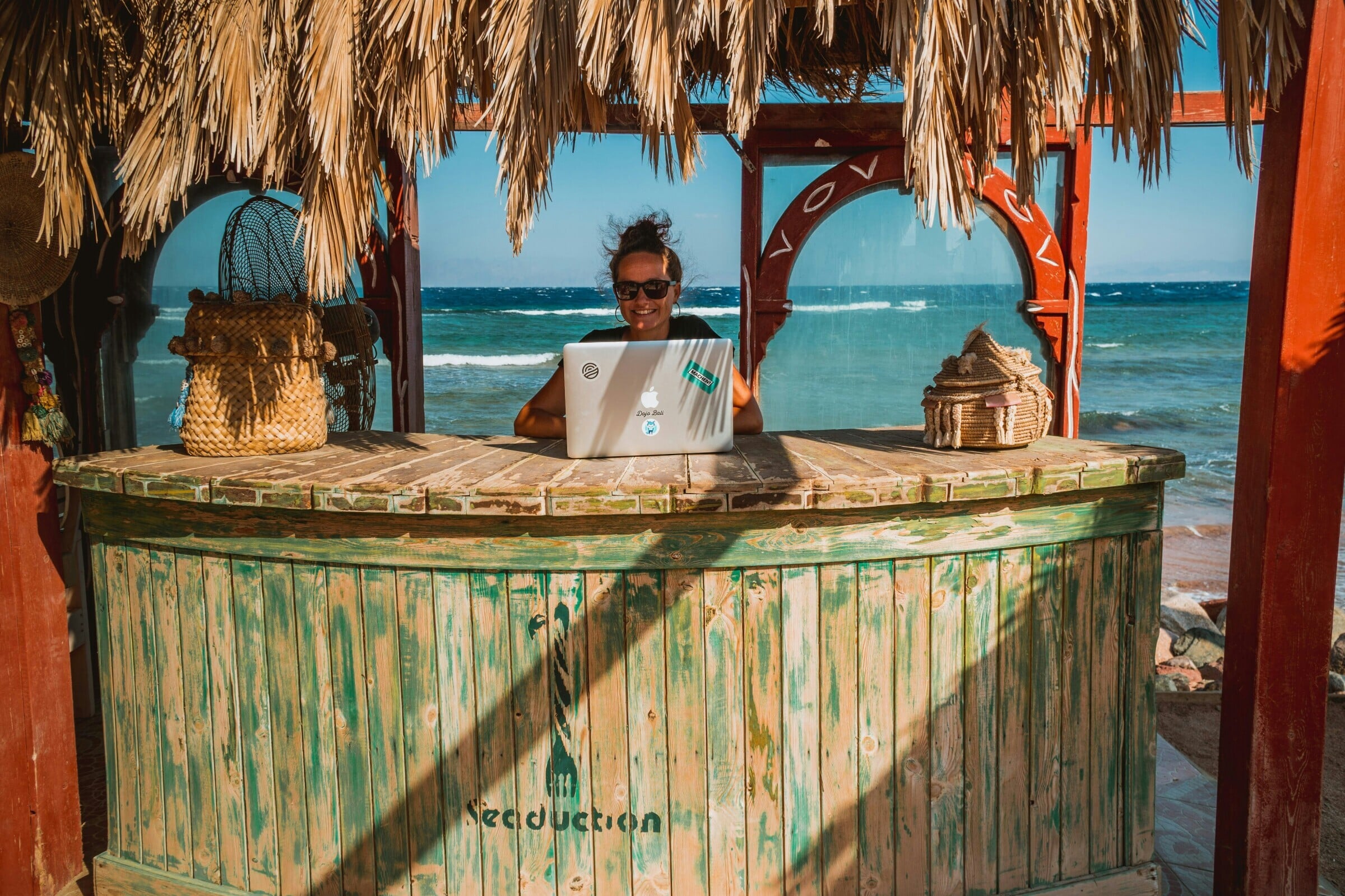
In the ever-evolving landscape of freelancing, preparing for the future as a nomadic freelancer involves staying ahead of technological trends and understanding the tools that can enhance your mobile lifestyle. First and foremost, investing in robust web hosting solutions is crucial. As a digital nomad, your online presence is your business card, and having reliable, affordable hosting ensures that your website is always accessible, no matter where you are in the world. Explore options that cater specifically to the needs of travelers, such as hosting providers that offer easy scalability and excellent customer support, so you can focus on your work without worrying about technical issues.
Next, optimizing your online presence with effective SEO strategies can significantly boost your visibility and attract clients. As you travel, your target audience may shift, so it’s essential to adapt your content and keyword strategies accordingly.
Utilize tools that simplify keyword research and track performance metrics, allowing you to refine your approach continually. This adaptability not only helps in maintaining a strong online presence but also in establishing your brand as a go-to resource in your niche, whether it’s travel blogging, content creation, or e-commerce.
Another critical aspect of preparing for your nomadic future is choosing the right website builders and content management systems (CMS) tailored for mobile use. These platforms should be intuitive and allow for easy updates, even when you’re on the go.
Look for builders that offer responsive designs and seamless integration with essential tools, like social media management and online payment processing. This way, you can manage your business operations efficiently, regardless of your location.
Security is another paramount concern for digital nomads, making virtual private networks (VPNs) a vital tool for safeguarding online activities. When working from various public locations, such as cafes or co-working spaces, using a VPN can protect your data from potential cyber threats. Ensure you choose a reputable VPN provider that offers fast connections and reliable encryption, allowing you to work securely and with peace of mind, as you navigate new environments.
Finally, as you prepare for the future, consider the importance of branding and design services that resonate with your audience. Investing in professional branding not only enhances your online presence but also builds trust with potential clients. Combine this with effective social media management tools to maintain engagement and foster community, regardless of where your travels take you. By equipping yourself with the right resources and strategies, you can thrive as a nomadic freelancer, turning the challenges of mobility into opportunities for growth and success.
Resources for Continued Learning and Growth

For digital nomads and remote workers, continual learning and growth are paramount to staying competitive in an ever-evolving landscape. The internet offers a plethora of resources tailored specifically to the needs of location-independent entrepreneurs. F
rom online courses to webinars and podcasts, there are numerous platforms that provide valuable insights into web hosting, SEO strategies, and social media management. Websites like Coursera and Udemy host courses by industry experts, enabling freelancers to enhance their skills while on the go.
In addition to formal education, engaging with online communities can be a game-changer for freelancers. Platforms such as Reddit, Facebook groups, and LinkedIn forums allow nomadic workers to connect with like-minded individuals and share experiences.
These communities often discuss affordable web hosting options, e-commerce platforms, and the latest trends in cloud storage solutions. Participating in these discussions can provide fresh perspectives and innovative ideas to enhance one’s business model.
Digital nomads should also consider utilizing various tools that facilitate ongoing learning. For instance, subscribing to newsletters from reputable sources in the web hosting and content management sectors can keep individuals informed about the latest developments and best practices. Additionally, using social media management tools can help streamline the process of staying updated while managing multiple platforms. This balance between learning and execution is critical for maintaining a successful online presence.
To further support their growth, freelancers can explore branding and design services that cater specifically to nomadic businesses. Many agencies understand the unique challenges faced by location-independent entrepreneurs and offer tailored solutions that can enhance brand visibility and engagement. Leveraging these services can help digital nomads create a cohesive online identity that resonates with their target audience, ultimately driving more traffic to their websites.
Lastly, understanding the importance of online security cannot be overstated. Digital nomads should invest in virtual private networks (VPNs) and secure online payment processing services to protect their data and transactions. By prioritizing security, freelancers can focus on their work without the constant worry of cyber threats. Continuous education on these topics will empower nomadic professionals to navigate the digital landscape confidently and effectively.

Questions? Drop a comment below or email me. I respond to everyone.
More Guides: